


Social Housing and the Criteria Developers Consider When Building
Social housing is generally priced lower than other types of commercial housing. The purpose of this type of housing is to provide affordable housing or homeownership opportunities for low-income people or specific groups in society. So, what criteria do developers consider when building social housing? Join LPC to find out through the article below!
Overview of Social Housing
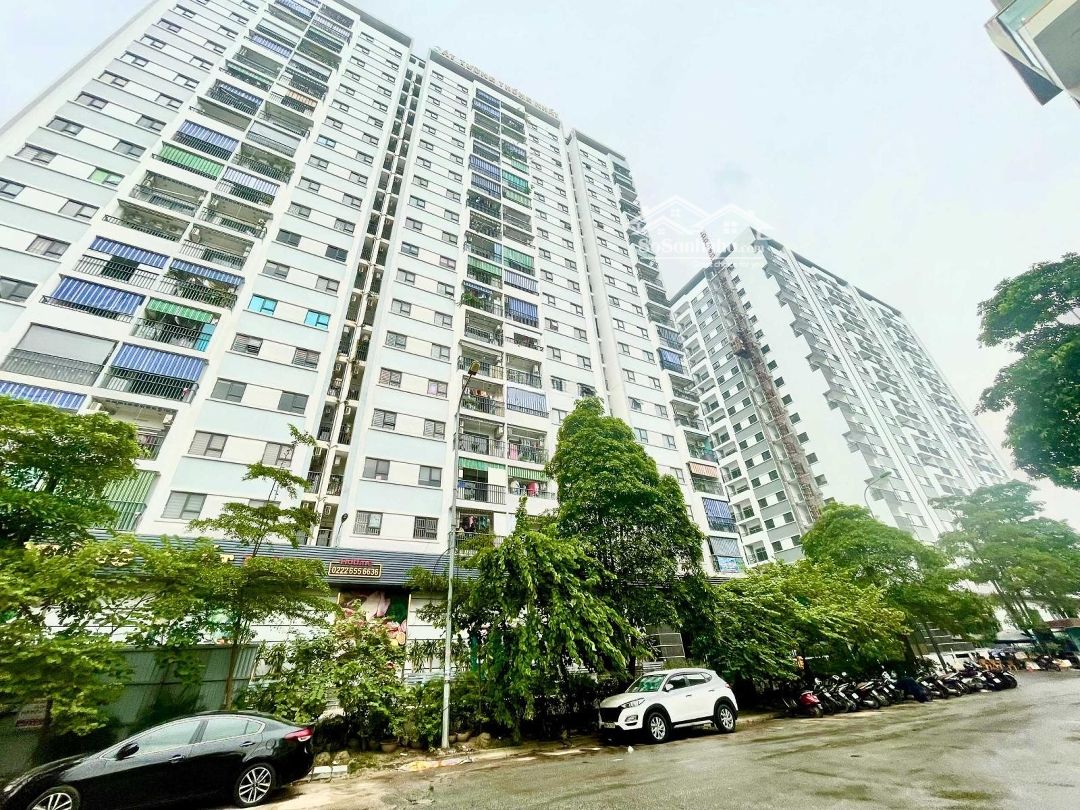
Social housing is a type of housing owned and managed by government agencies or non-profit organizations to provide accommodation for low-income people or groups eligible for social priority policies. The development of social housing provides people in need of housing with a more affordable option compared with commercial housing, helping address housing shortages and improve living conditions for low-income people.
Read more: Latest news about social housing
Eligible social housing buyers may include
– Civil servants, public employees, and professional military officers: These individuals generally work for government agencies and organizations and receive salaries from the state budget. Social housing can provide them with an affordable housing option.
– Workers employed in economic zones, industrial parks, export processing zones, and high-tech parks: Workers in industrial areas may be prioritized for purchasing or renting social housing to reduce the financial burden of homeownership.
– People returning public housing: In some cases, people living in public housing who face housing difficulties may receive support to purchase or rent social housing, particularly if they can no longer continue using their public housing.
Social housing is generally offered at a lower price than commercial housing through financial support policies or price regulations.
Read more: What is the solution for 1 million social housing units in Yen Phong – Bac Ninh?
Should You Buy Social Housing?
Purchasing social housing can be considered a good option for many people, particularly those with low incomes or those who fall within groups prioritized under social policies.
Advantages of buying social housing:
– Social housing is generally cheaper than commercial housing, helping reduce financial pressure and providing housing for low-income people.
– Owning a social housing unit provides more stable accommodation, eliminating concerns about being forced to leave a rental property when the lease expires or rent increases.
– Government support: Some social housing programs receive government support, including preferential loan policies or tax reductions, helping save money and increase the ability to purchase a home.

Characteristics of Social Housing
Below are some characteristics of social housing that you can refer to:
- Scale depends on demand: The amount of social housing developed is generally based on the demand for rental and ownership housing among people in the area. This depends on the specific socio-economic conditions of each locality.
- Planning and approval: Provincial-level People's Committees are responsible for planning, approving construction plans, and developing social housing. This includes determining housing types, floor areas, apartment layouts, and balancing investment capital with investment incentive mechanisms.
- Number of floors and floor area: Specific characteristics of social housing may vary depending on the type of urban area. In different urban areas, there are limits on the number of floors of social housing buildings, and the floor area of each apartment is generally restricted, usually not exceeding 70m2 and not less than 25m2.
- Technical and social infrastructure: Social housing must meet technical and social infrastructure standards as prescribed, including requirements for infrastructure, clean water, electricity, transportation, and community services.
Optimizing Economic Efficiency
Social housing helps optimize economic efficiency because it provides a range of benefits and solutions to various socio-economic issues. Below are some reasons why social housing can contribute to optimizing economic efficiency:
- Reduce pressure on the commercial housing market: Social housing helps reduce pressure on the commercial housing market by providing a lower-cost housing option. This can help control housing prices and reduce the pressure of homeownership in markets with high apartment supply and demand.
- Reduce social costs: Social housing can help reduce social costs by providing accommodation for low-income people. At the same time, it can reduce homelessness and improve living conditions.
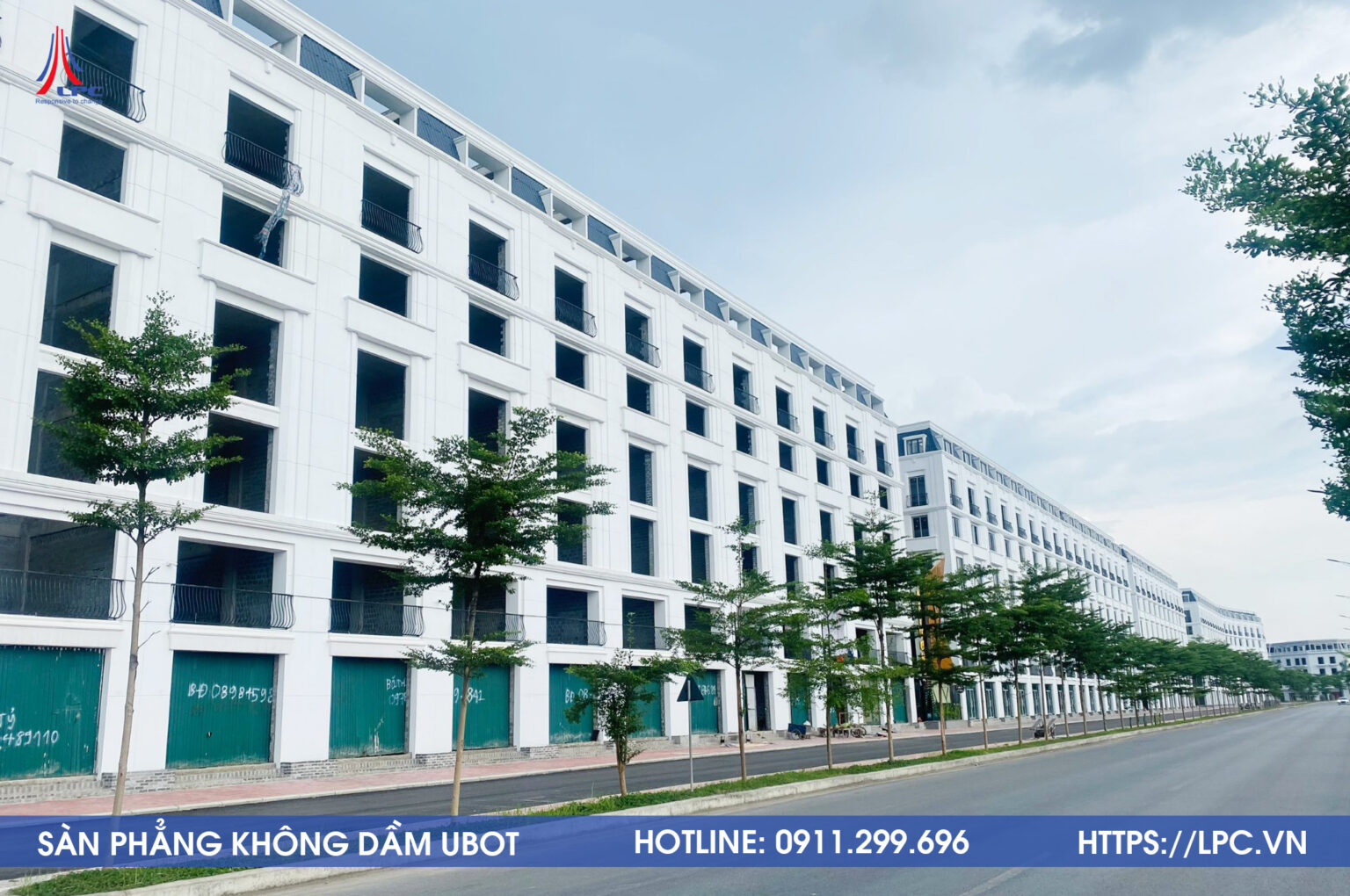
- Encourage investment and development: Social housing can create opportunities for developers interested in building social housing, creating jobs for many people. Policies encouraging investment in this type of housing can increase efficiency and promote economic development.
- Create homeownership opportunities for low-income people: Social housing provides low-income people with opportunities to own their own homes, helping them improve their living conditions.
In summary, social housing has the potential to contribute to optimizing economic efficiency by providing solutions to various social and economic issues. This is why the development of social housing is currently receiving considerable attention from developers.
Read more: Social Housing and Real Estate Trends in 2023
Social Housing Floor Area Standards

Based on Article 7 of Decree 100/2015/ND-CP, as amended by Clause 6, Article 1 of Decree 49/2021/ND-CP, regulations on social housing types and standard floor areas are implemented as follows:
In cases where social housing consists of apartments, the design and construction requirements are that each apartment must be designed as a self-contained unit and comply with construction standards and regulations. The minimum usable floor area for each apartment is 25m2, while the maximum is 70m2, and the apartment must comply with the construction planning approved by the competent state authority.
If social housing consists of low-rise attached houses, the construction land area for each house must not exceed 70m2, the land-use coefficient must not exceed 2.0 times, and the project must comply with the construction planning approved by the competent state authority.
The design of social housing invested in by households or individuals must ensure construction quality and comply with planning requirements and the minimum conditions issued by the competent state authority. The Ministry of Construction will provide detailed guidance on design standards and minimum construction conditions for individually developed social housing.
Above are some of the criteria identified by LPC that many developers consider when building social housing. Readers are invited to explore more useful information here!
— Lam Pham Construction Co., Ltd. – LPC
Hotline: 0911.29.9696
Website: https://lpc.vn
Facebook: Lam Pham Construction
Youtube: Lam Pham Construction
TikTok: Lam Pham Construction
More articles
All news


Have a project in mind?
LPC engineers are ready to share their experience and propose the right solution for your project.