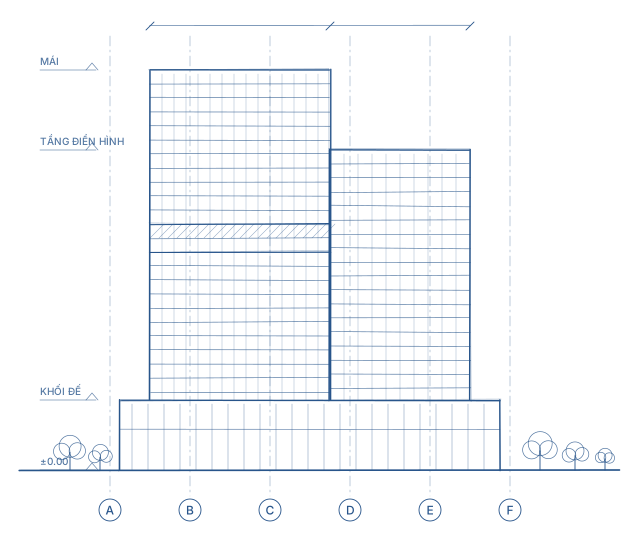
Digital engineering – BIM & CDE
Information models, a common data environment and practical workflows
BIM and CDE are implemented through a clear process tied to the deliverables of each project stage – not technology for show.
BIM models
Multidisciplinary models, early coordination
Building architectural, structural and MEP models; checking for clashes and extracting quantities from the model.
Scope of work
- Architectural, structural and MEP models
- Clash checking (clash detection)
- Model-based quantities
- 4D schedule simulation (on request)
Deliverables
- Models at the agreed LOD
- Clash report
- Quantity schedule
Legal scope as per LPC’s capability certificate and the signed contract.
Common data environment (CDE)
One data source for every party
Setting up the folder structure, naming conventions, document statuses and permissions so that all parties work from the same data source.
Scope of work
- Structure and convention setup
- Document approval workflow
- Role-based permissions
- User training
Deliverables
- CDE procedure document
- Permission matrix
- Handover data set
Legal scope as per LPC’s capability certificate and the signed contract.
Delivery process
From BEP to operational handover
Preparing the BIM execution plan (BEP), agreeing each party’s responsibilities and the data acceptance criteria.
Scope of work
- BIM execution plan (BEP)
- Responsibility matrix
- Model checking criteria
- Operational data handover
Deliverables
- BEP
- Model check records
- Handover data
Legal scope as per LPC’s capability certificate and the signed contract.
Collaboration process
Receiving the request
Clarifying objectives, the status of existing documents and milestones.
Scope proposal
Proposing the scope of work, deliverables and the engineer in charge.
Contract signing
Agreeing on the legal scope, schedule and acceptance criteria.
Delivery & control
Working to the quality procedure, with regular reporting.
Handover & support
Handing over deliverables, supporting explanations and next steps.

Need advice on an engineering solution?
Send a request and the engineer in charge will contact you to clarify the scope and deliverables before signing a contract.