

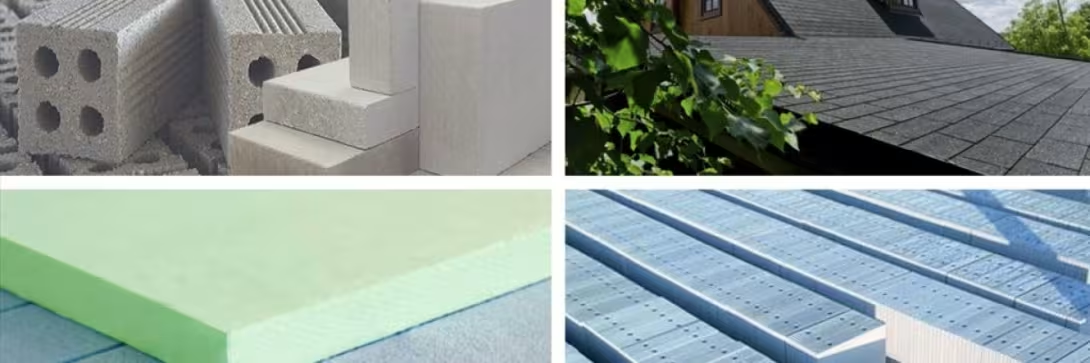
New materials for the future – advanced technology marking a turning point in the modern era. With the advancement of modern technology and the changing environmental conditions, research into new construction materials to replace resource-intensive traditional materials is attracting increasing attention. This not only helps protect the environment but also contributes to the advancement of the construction and interior design industries for the future. Let’s explore these unique building materials in the article below, shared by LPC.
What Are New Materials?
New materials are materials that have been recently developed, researched, or introduced into use and possess properties, applications, or performance that are superior to those of traditional materials. New materials may include breakthroughs in advanced structures, technical properties, or even new manufacturing methods. They are often designed to meet increasingly demanding challenges and requirements across various fields.
New materials play an important role in the development of many industries while also contributing to the creation of a more sustainable society and environment.

Top 10 New Materials in Architecture and Construction
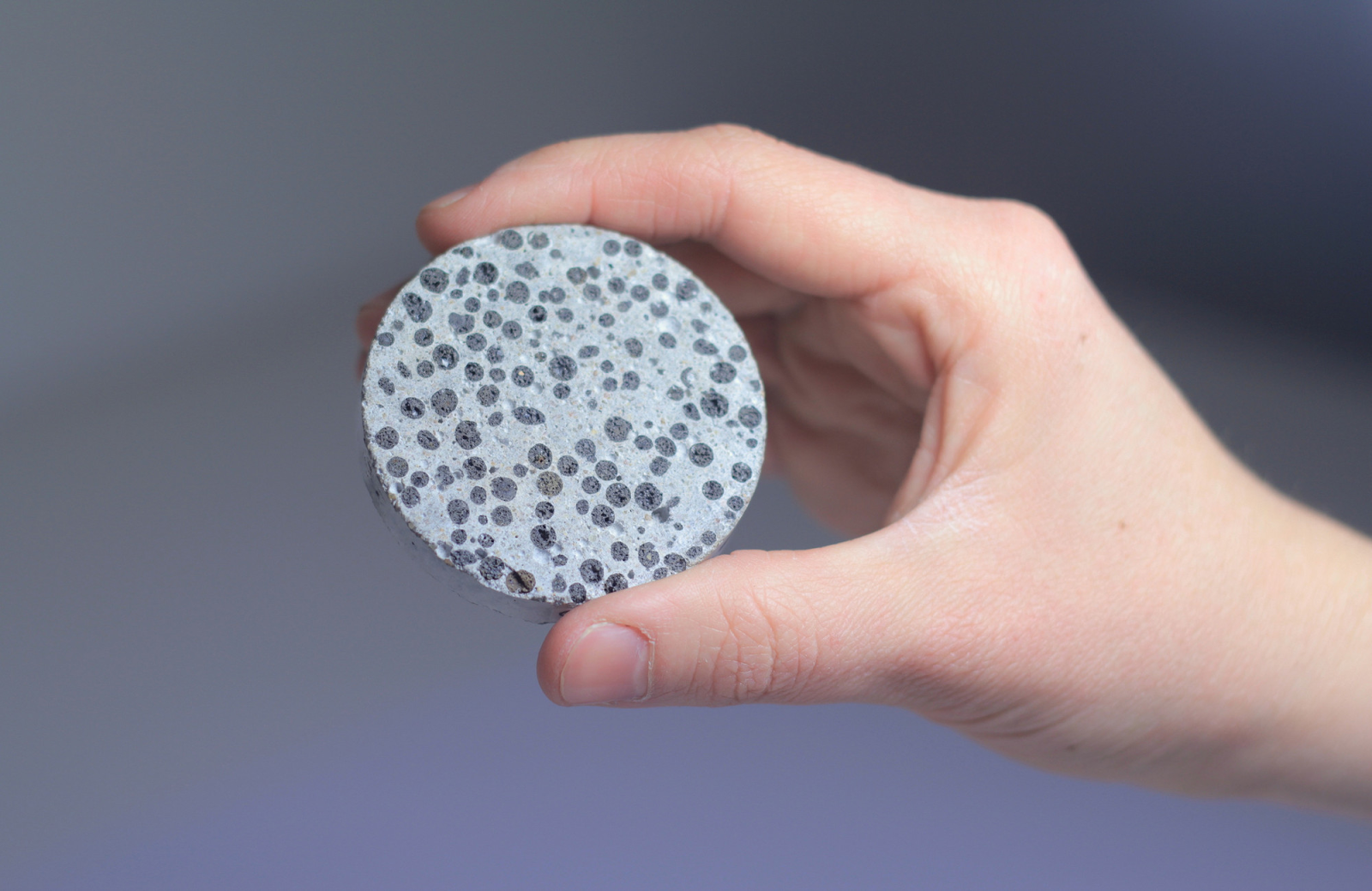
1. Self-Healing Concrete
In most construction projects, from small to large-scale developments, concrete is commonly used for structural components. It is a material with excellent compressive, flexural, and load-bearing strength. However, the porous structure of concrete makes it susceptible to water penetration from the external environment, reducing its service life and durability.
Recently, a group of scientists in the Netherlands discovered a new type of concrete capable of self-healing. This breakthrough could extend the service life of concrete and has already been put into practical use in construction projects in several countries.
2. Luminescent Cement
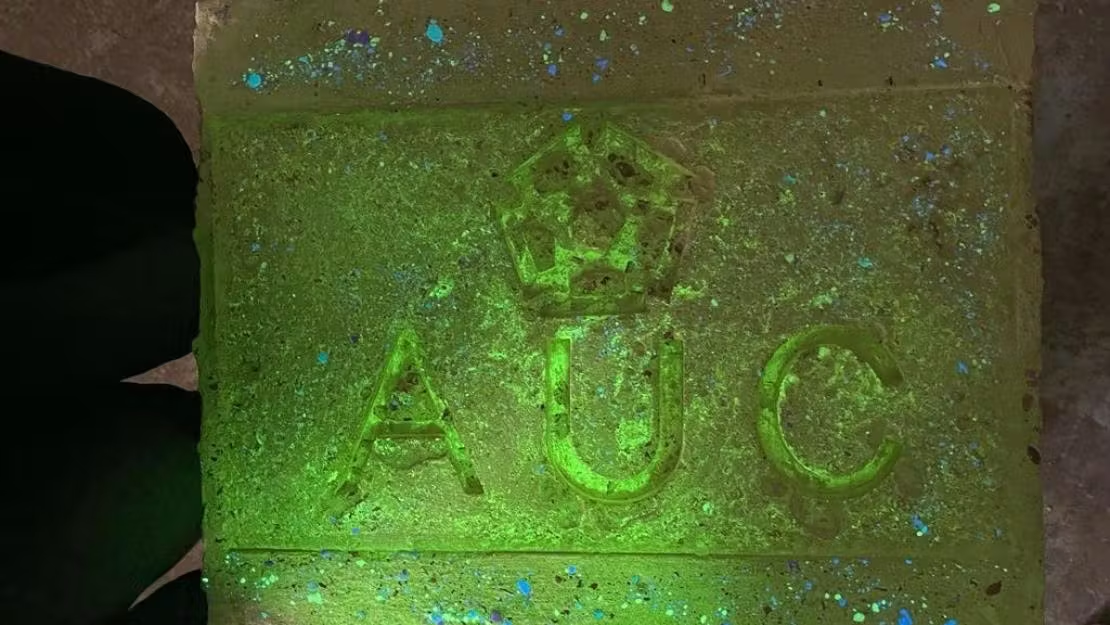
Cement, one of the most widely used materials in the construction industry today, has undergone a notable breakthrough thanks to researchers from the University of San Nicolás de Hidalgo (UMSNH) and Mexican scientist Dr. José Carlos Rubio. They successfully developed a new construction material capable of withstanding heat, emitting light, and lasting up to 100 years.
Luminescent cement is particularly useful for illuminating streets and buildings without the need for electricity. This marks a significant step forward in improving energy efficiency in construction projects.
3. Biodegradable Bio-Furniture
Terreform One and Genspace, an advanced research group, have developed a unique material for producing bio-furniture, distinguished by its ability to biodegrade.
The biological composition of this material includes gypsum and oat bran Mycoform, a mycelium-based substrate combined with wood fragments. To enhance its quality, Ganoderma lucidum – a fungus capable of digesting these components and transforming them into a strong structural material – is covered with a layer of cellulose bacteria.
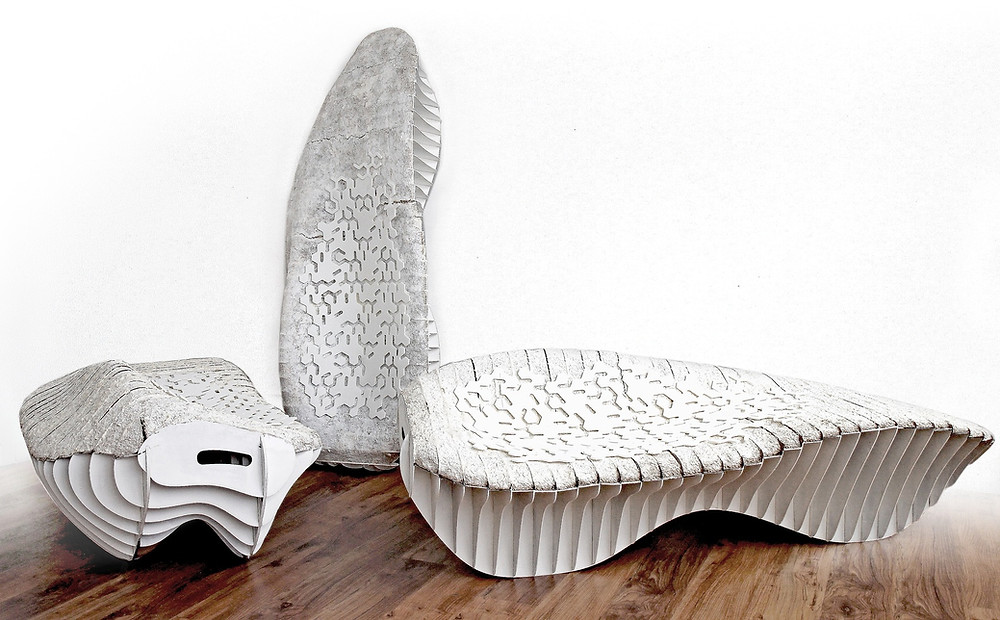
This combination creates an extremely durable composite material that is suitable not only for basic furniture but also for large-scale construction projects. The research team describes a production process for this biological material that does not require complex technology while remaining environmentally friendly and energy-efficient.
When bio-furniture reaches the end of its service life, it can easily decompose like other biological products. Experts in the field believe this represents an innovative step forward in traditional furniture manufacturing technology.
4. New Materials Using Nanotechnology
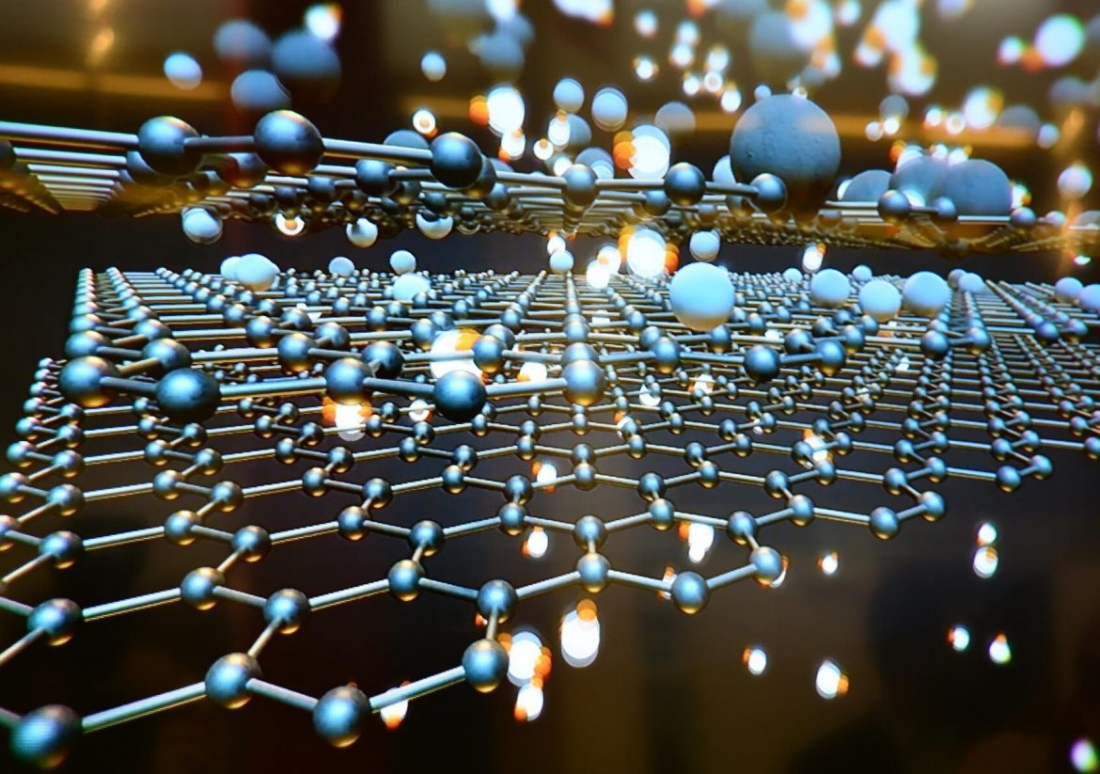
Nanotechnology has brought breakthroughs to the field of construction materials, overcoming limitations that once seemed impossible to address. New nanomaterials enhance resistance to pressure and compression, such as carbon nanotubes (CNTs).
In addition, the potential of nanomaterials is not limited to ultralight materials but extends to applications across many fields, from medicine, food, aerospace, and electronics to interior design, thanks to advances in technology.
5. Aerogel
Aerogel, considered one of the lightest solid materials in the world, offers not only high performance but also environmental benefits. Listed among the most promising new construction materials, Aerogel provides outstanding insulation properties along with many other notable characteristics.
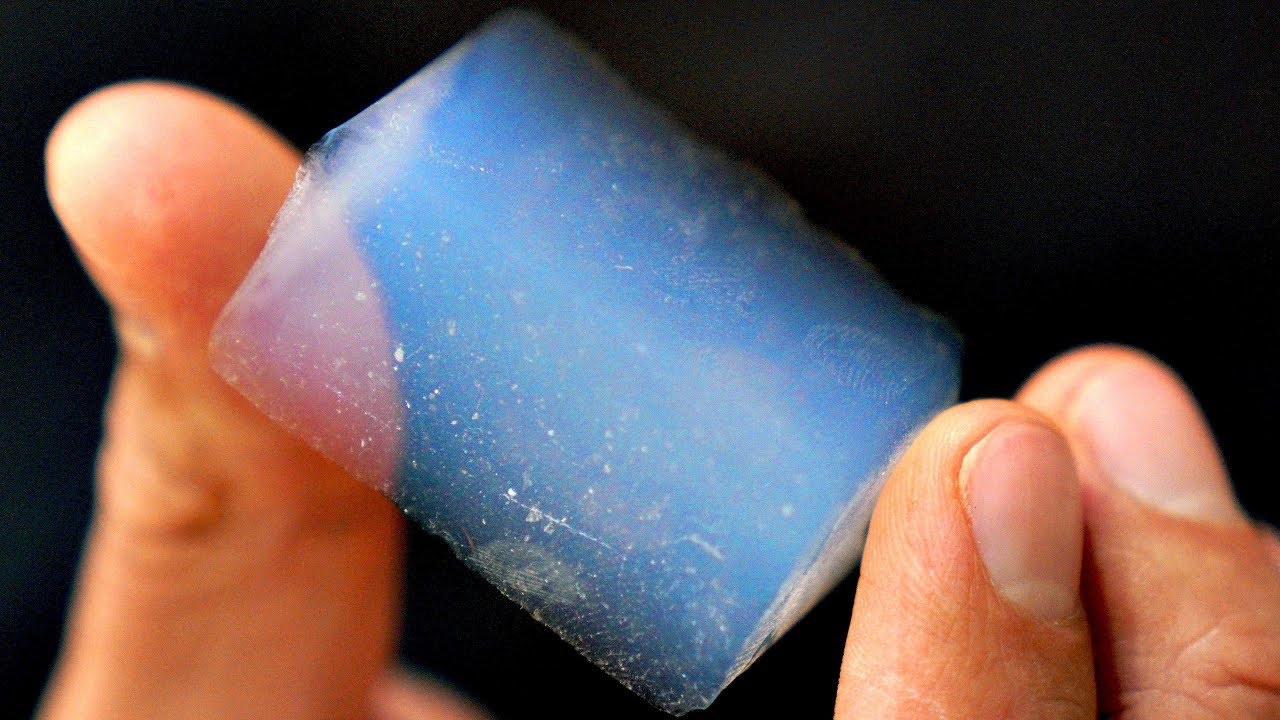
With its soundproofing, thermal insulation, impact resistance, and ultra-lightweight properties, Aerogel is an ideal construction material for high-end buildings. Applying Aerogel to walls can significantly reduce the need for heating and air conditioning, thereby improving the energy efficiency of buildings. Aerogel opens up a new direction for the construction industry, providing an alternative to increasingly scarce natural resources such as metals, wood, and stone.
6. New Material – Transparent Wood
In a context where modern urban architecture primarily relies on materials such as steel and glass, the search for new materials that can serve as alternatives and decompose naturally can help developers reduce costs and create more environmentally friendly options.
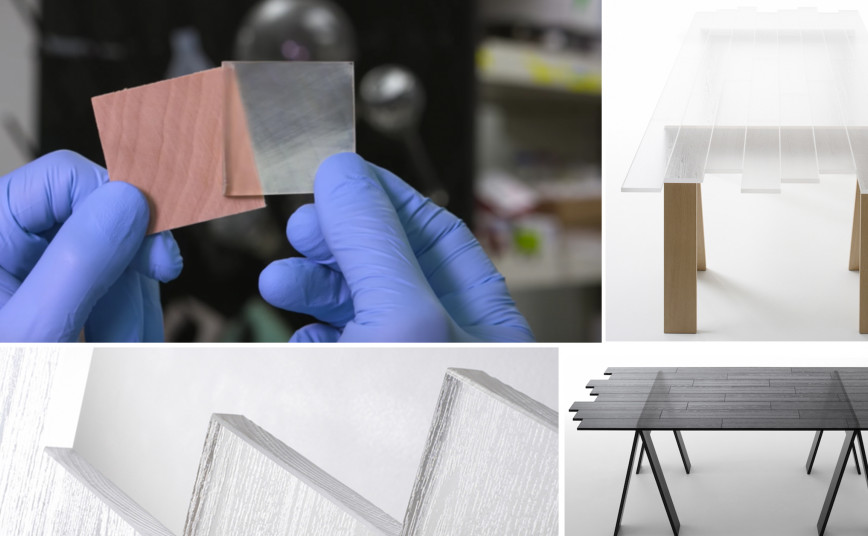
The discovery of a high-quality transparent wood is an achievement by a research team from College Park. This type of wood is considered stronger than traditional wood and can replace other materials that are less environmentally friendly. This opens up new possibilities in construction, helping optimize costs and enhance the sustainability of modern architectural projects.
7. Cooling Bricks
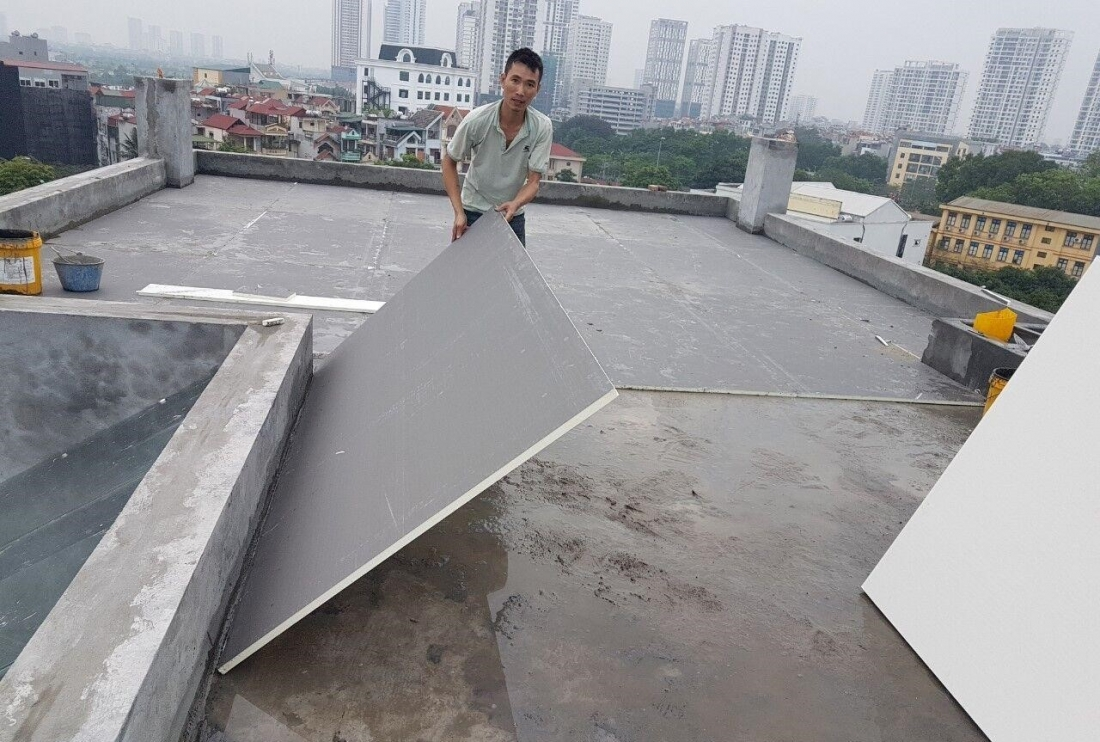
Cooling bricks are made from a combination of clay and hydrogel, which helps limit heat absorption from the environment and enhances water absorption, allowing heat to dissipate effectively. With a range of environmentally friendly features, cooling bricks have become a popular choice for many construction projects.
Cooling bricks are not only used as heat-insulating materials for ceilings, walls, partitions, roofs, and floors, but also have a wide range of applications in construction projects. In particular, their environmentally friendly properties make cooling bricks a suitable choice for tropical climates such as Vietnam.
8. Concrete Made from Materials on Mars
By applying a method of heating sulfur to twice its melting point, researchers believe it is possible to produce concrete from materials found on Mars, which is considered one of the most feasible materials for future space construction projects.
Researchers have successfully produced concrete on Mars by heating sulfur to 240°C. Sulfur concrete has extremely high durability and significantly greater compressive strength than conventional concrete materials on Earth. Moreover, if a structure needs to be demolished, it can simply be heated to melt the material and recycle it for use in another structure.
More importantly, producing sulfur concrete directly on Mars would significantly reduce costs compared with transporting materials from Earth to Mars. However, these are still experimental concepts undergoing extensive research before they can be practically applied to space construction projects.
9. Liquid Granite
“Liquid” artificial stone is a special construction mixture consisting of 70% crushed marble and 30% special additives and decorative coating. This mixture is sprayed onto surfaces such as concrete, masonry, stone, and asphalt. Due to its composition, the liquid hardens into a sealing layer, providing surfaces with durability and an attractive appearance.
Liquid granite is an environmentally friendly material because it contains durable resin, natural marble, and a mineral coating. This composite material is commonly used for finishing work and for manufacturing or cladding individual structures or interior components.
10. Solar Control Glass
Solar Control Glass is made by combining metal and metal oxides, with its surface coated with an ultra-thin film. Thanks to this structure, this type of glass can effectively reflect most solar radiation, helping maintain a stable indoor temperature without causing excessive heat buildup.
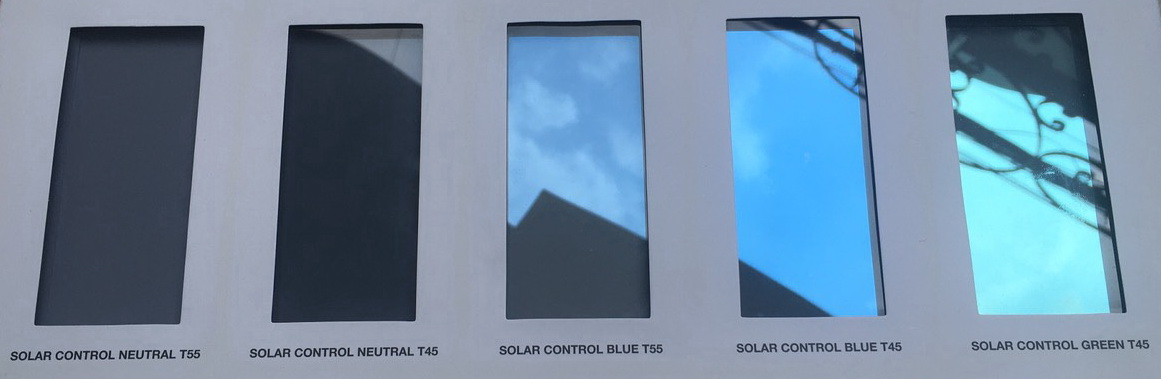
Furthermore, thanks to the composition of this new material, the penetration of ultraviolet rays into the interior is also reduced, protecting users’ health while reducing the energy required to cool the entire building by up to 51%.
The above are 10 new materials that have been or will be applied in the future to minimize impacts on the natural environment and promote the development of the modern construction industry. Are you familiar with these materials? If you know of other modern construction materials, feel free to share them with LPC!
See also: Ubot Flat Slab and Improvements for the New Generation of Material Technology
See also: Green Materials and Success in the New Technology Materials Arena
See also: Green Building Materials – The New Construction Trend in the Building Industry Today
— Lam Pham Construction Co., Ltd. – LPC
Hotline: 0911.29.9696
Website: https://lpc.vn
Facebook: Lam Pham Construction
Youtube: Lam Pham Construction
Tiktok: Lam Pham Construction
More articles
All news

Have a project in mind?
LPC engineers are ready to share their experience and propose the right solution for your project.