Development trends – 5 construction materials of the future
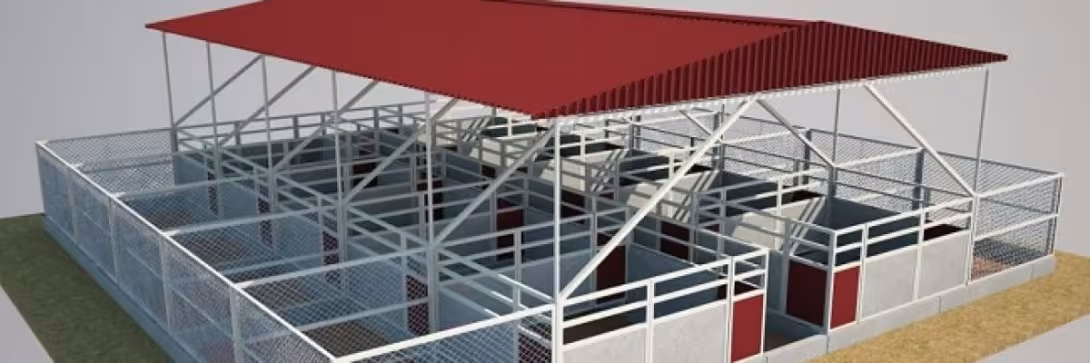
Future construction materials are moving toward green, smart, and environmentally friendly materials. Currently, society as a whole is using approximately 70% of investment capital for construction, of which construction materials account for 30–40%. Therefore, the development and improvement of construction materials are always prioritized.

1. Development trends for future construction materials
The climate is changing dramatically, threatening the living environment. To limit negative impacts, countries are focusing on developing economies toward green growth. The construction industry is no exception, with the emergence of many green and smart materials. Researching new construction materials is an inevitable choice.
a. Green materials – An inevitable trend
Smart cities are becoming increasingly common, and businesses are also turning toward green materials to save energy and resources while reducing environmental pollution.
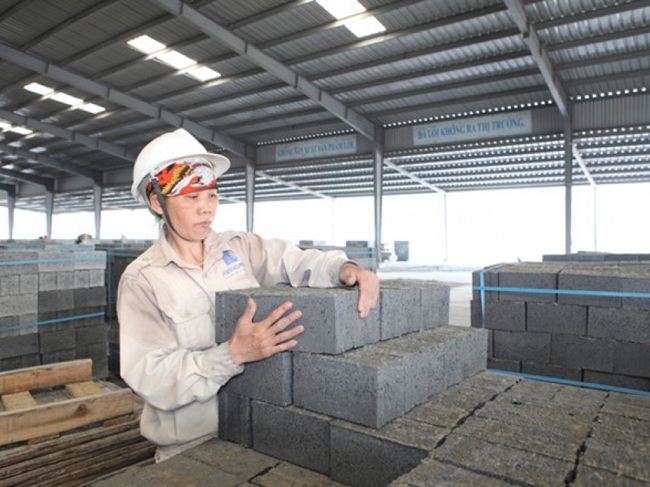
The Vietnamese government has introduced many policies to develop green materials, notably Program 567, which promotes the development of non-fired materials to replace fired clay bricks (the replacement rate reached 30–40% in 2020), helping to reuse 15–20 million tons of industrial waste each year.
b. Smart construction materials
The Director of the Institute of Building Materials affirmed that the future trend is to produce smart materials that save energy and protect the environment. Some typical products include eco-friendly roofing sheets, thermal insulation foam, lightweight concrete bricks, green cement, and more.
The Fourth Industrial Revolution is an opportunity for the construction materials industry to improve its capabilities, increase production capacity, and compete globally through the following tasks:
- ✅ Contribute to the development of smart cities.
- ✅ Increase value based on science and technology (3D printing).
- ✅ Apply robots in production to save time and materials.
2. 5 construction materials of the future
1. Ubot flat slab
Ubot flat slab is a popular green material today. It consists of four-legged conical hollow boxes made from recycled plastic, arranged in rows and connected by linking bars, embedded within the concrete slab.
- 🔹 Structure: 52x52cm hollow boxes with a flexible height (10–28cm).
- 🔹 Advantages: Reduces slab weight, limits the number of columns, and reduces concrete and steel consumption. Easy to transport, simple to install, reduces CO2 emissions and noise pollution.
2. Green concrete
Invented by Universiti Teknologi MARA (Malaysia), this type of concrete uses conventional aggregates combined with recycled waste materials (fiber aluminum, fly ash, etc.), making it more environmentally friendly, lighter, and stronger than conventional concrete.
3. Graphene
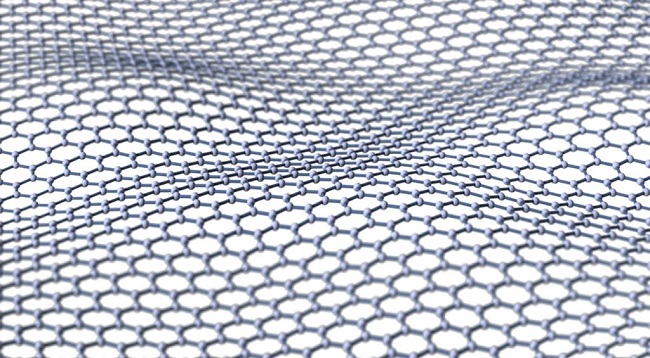
Graphene is extremely lightweight yet stronger than steel. Although large-scale production remains challenging, the new “Chemical Vapor Deposition” technique is opening up the potential to combine Graphene with traditional materials to create breakthrough products.
4. Carbon fiber balsa
Balsa wood is very lightweight and strong but expensive. Researchers at Harvard University have developed a carbon fiber balsa composite material as an alternative, with a lower cost, unprecedented lightness, and a uniform structure, making it suitable for projects requiring high precision.
5. Synthetic spider silk
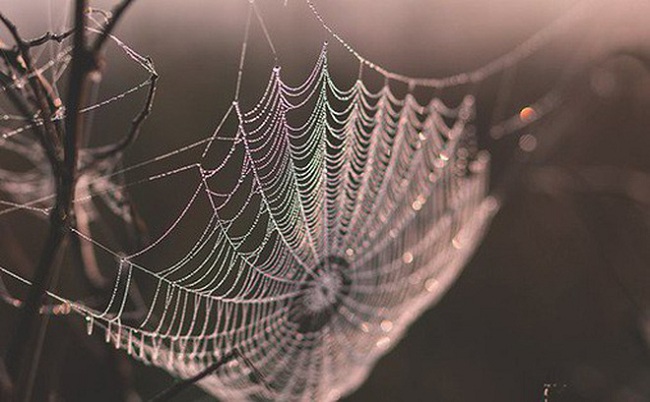
Spider silk has an extremely impressive strength. The Massachusetts Institute of Technology has used 3D printing technology to create artificial spider webs to study their structure, hoping to synthesize this ultra-strong material soon.
Developing smart and environmentally friendly construction materials is an inevitable trend. Lam Pham Construction (LPC) is proud to be a pioneer in successfully applying green construction materials, contributing to the sustainable development of Vietnam's construction industry.
Related articles
View all
Long-span flat slabs in modern architecture
Long-span flat slabs – where architects create sophisticated architectural beauty. Architectural beauty is understood as the organization and arrangement of spaces with functional…

Green materials and economic efficiency in construction – Can they go hand in hand?
Today, a popular trend being adopted by the construction industry both globally and domestically is the production of environmentally friendly construction materials using new…
ECONOMIC AND TECHNICAL EFFICIENCY OF FLAT SLABS COMPARED TO TRADITIONAL SLABS
Today, voided slabs, lightweight concrete slabs, also known as flat slabs, have established their position compared to traditional concrete slabs. With advantages in architecture,…
Building sustainable projects together
Follow expert knowledge from LPC engineers or contact us when you need advice.