

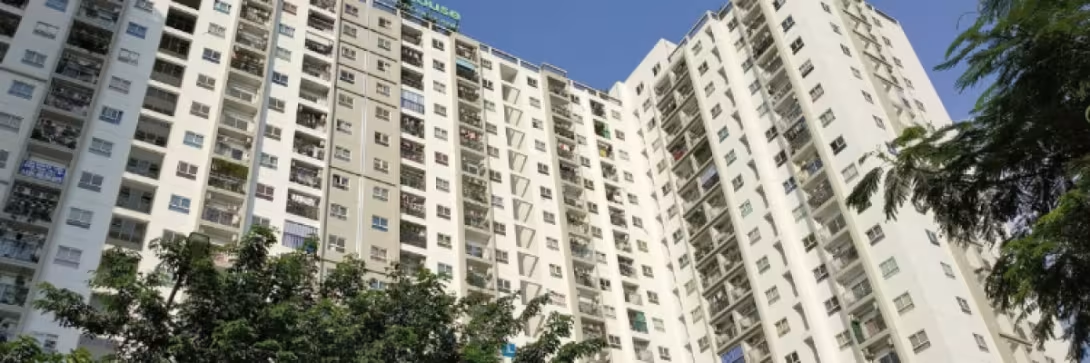
What is social housing? This is a question that has attracted considerable attention recently, as this type of housing project, supported and facilitated by the Government, continues to gain momentum. It is also a type of project that is of particular interest to low-income workers. Join LPC as we explore the concept of social housing and learn about the groups of people eligible to purchase social housing.
What Is Social Housing?
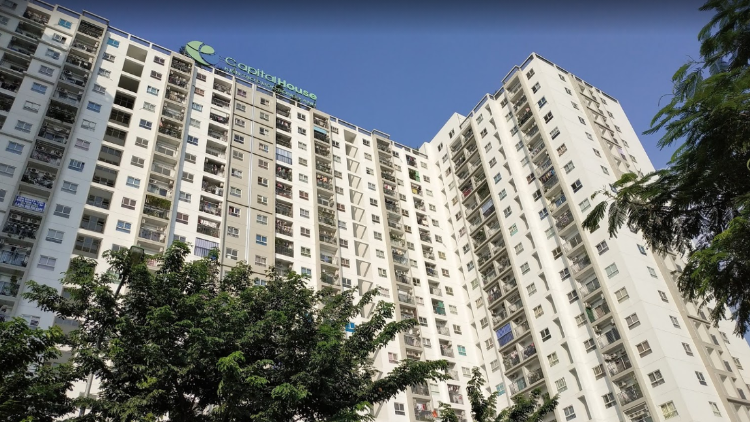
The social housing policy was introduced to make the dream of homeownership a reality for low-income people. However, this is a “conditional dream.” So, what is social housing, and who is eligible to purchase social housing?
According to Clause 7, Article 3 of the 2014 Housing Law:
“Social housing is housing supported by the State for eligible beneficiaries of housing support policies in accordance with the Housing Law.”
Social housing generally has the following characteristics:
- Lower prices compared with commercial housing in the same area or price segment
- Specific policies are available for eligible beneficiaries
- Developers of social housing are subject to a maximum profit margin of 10%
- The property may only be transferred to the homeowner after 5 years from handover
Under Article 55 of the Housing Law, social housing consists of two types: apartments and individual houses.
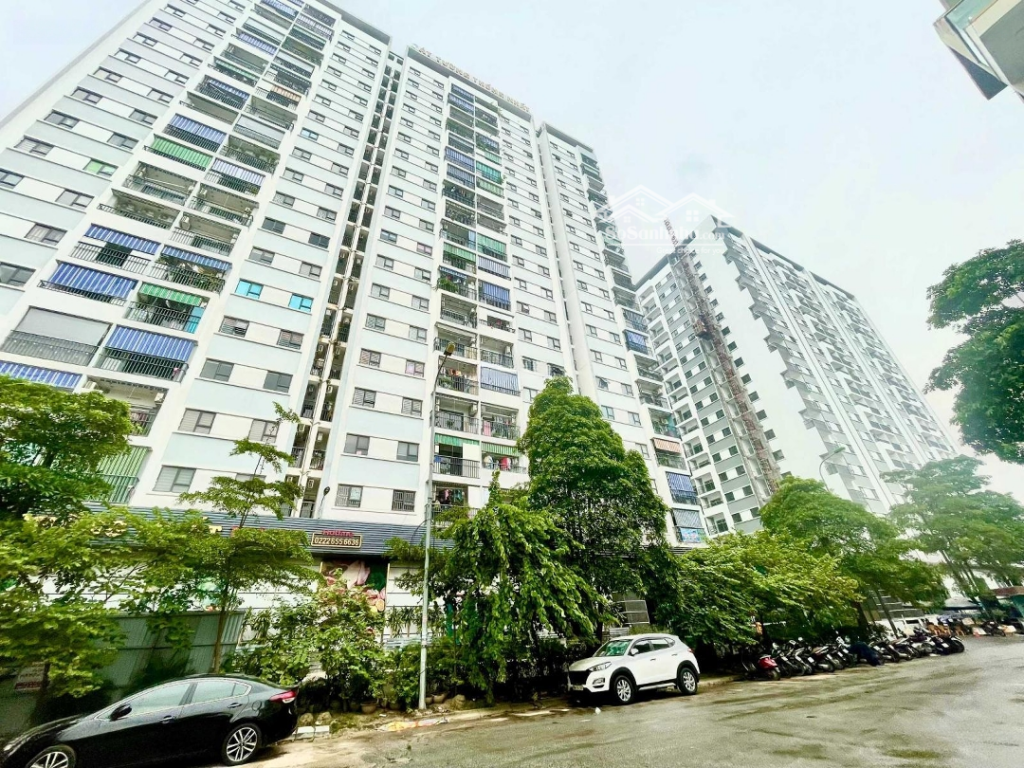
Apartments are the typical and more widely developed form of social housing compared with individual houses. This is because social housing development is closely tied to planning in major urban areas and locations near industrial parks, as well as land-related requirements. Apartments are therefore more commonly selected because they provide a larger number of housing units, allow for concentrated planning, are easier to manage, and contribute to an attractive overall urban landscape.
Compared with apartments, individual houses are a less common form of social housing and are more challenging to develop. However, developers are not completely excluded from investing in and constructing this type of housing, provided that all applicable government regulations and standards are met.
In addition to these two common types, there are also several combined forms of social housing, including:
- Townhouses: Social housing developed in a row-house format, suitable for households that wish to own a separate home.
- Resettlement housing: This type of social housing is developed to resettle households affected by infrastructure and construction projects, providing them with a more stable and comfortable new place to live.
- Commercial social housing: This type of social housing is developed for sale to low-income residents at prices lower than comparable housing on the market. However, unlike other forms of social housing, it does not receive government budget support.
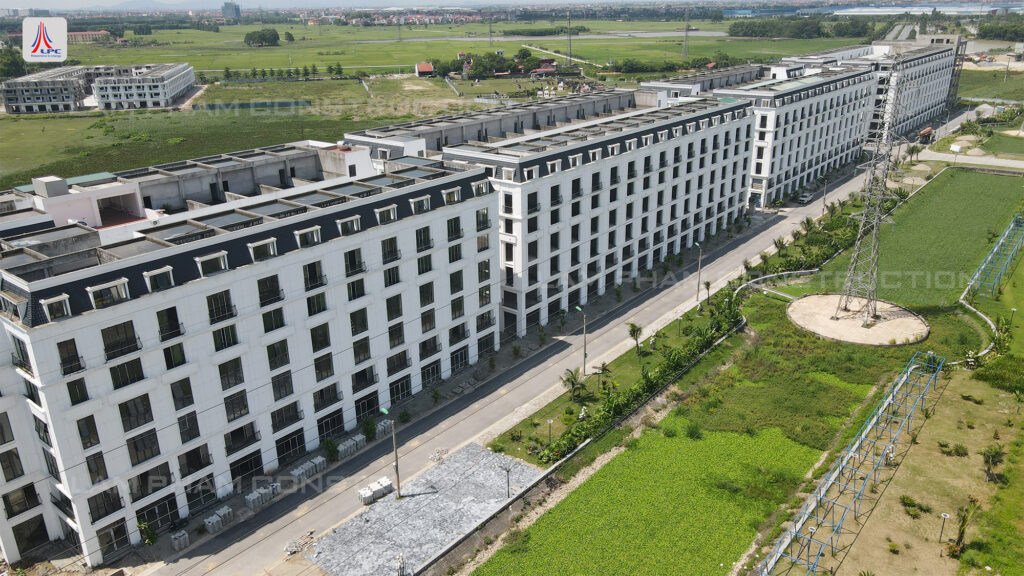
Therefore, regardless of the type of housing being developed, the developer must ensure that the project complies with detailed urban planning regulations and receives approval from the State or the relevant competent authorities. The classification of social housing is based on the applicable conditions and the planning requirements for each type, as well as available support policies and management structures, helping workers choose the most suitable type of housing for their needs.
Read more: What Is the Solution for One Million Social Housing Units in Yen Phong, Bac Ninh?
Who Is Eligible to Purchase Social Housing?
According to the Ministry of Construction, social housing development is expected to meet approximately 65% of the housing demand among disadvantaged and low-income groups in major urban areas and rural areas.
Under State regulations, eligibility to purchase social housing is based on relatively strict criteria and requires applicants to undergo several stages of review and assessment, primarily covering the following groups:
- People with meritorious services to the revolution as defined by laws on preferential treatment for people with meritorious services to the revolution;
- Poor and near-poor households in rural areas;
- Rural households in areas frequently affected by natural disasters and climate change;
- Low-income people, poor and near-poor households in urban areas;
- Workers employed by enterprises inside and outside industrial parks;
- Officers, professional and technical non-commissioned officers, professional military personnel, and workers in agencies and units of the People's Public Security and People's Army;
- Cadres, civil servants, and public employees as defined by the relevant laws;
- Persons who have returned public housing in accordance with regulations.
- Households and individuals whose land has been recovered and whose houses must be cleared or demolished in accordance with the law, but who have not yet received compensation from the State in the form of housing or residential land.
In addition to meeting the eligibility criteria for these groups, applicants must also satisfy the following conditions in order to purchase or own a social housing apartment:
Income Requirements
People who are eligible to purchase or qualify for social housing generally include those who are not subject to regular personal income tax, including:
- Near-poor and poor households and low-income individuals.
- Workers employed in industrial parks or enterprises.
- Professional military personnel, professional non-commissioned officers, and officers.
- Cadres, civil servants, and public employees as defined by law.
Or those who may qualify despite not meeting the income requirements, such as:
- People with meritorious services to the revolution.
- Individuals or households whose land has been recovered and whose houses have been demolished in accordance with regulations, but who have not yet received compensation from the State in the form of residential land or housing.
Housing Requirements
For this requirement, who can purchase social housing? Applicants must satisfy the following criteria:
- Must not own a house, must not have purchased, rented, or leased social housing, and must not have received housing or residential land support in any form in the place of residence or study; or, if they own a house, the average residential floor area per person in the household must be below the minimum housing area prescribed by the Government for each period and region.
- For cadres and civil servants, they must be exempt from regular personal income tax under the relevant personal income tax regulations.
- In the case of poor or near-poor households, they must be officially classified as poor or near-poor households under regulations issued by the Prime Minister. They must not have received housing or land support in any form at their current place of residence. Alternatively, even if they already own a house, the average residential floor area per person must be below the minimum housing area prescribed by the Government for each region and period.
Residency Requirements
- Applicants must have permanent residence registration in the centrally governed municipality or province where the social housing is located.
- If they do not have permanent residence registration, they must have temporary residence registration in that province or city for at least one year (except for cases specified in Clause 9, Article 49 of the 2014 Housing Law).
What is social housing? Social housing is a useful solution provided by the State to give low-income households an opportunity to own a stable home. However, purchasing social housing requires applicants to meet all applicable conditions and complete the required registration procedures in accordance with State regulations and the law.
We hope this article has provided readers with useful information about the definition of social housing and the groups and conditions for owning different types of social housing.
— Lam Pham Construction Co., Ltd. – LPC
Hotline: 0911.29.9696
Website: https://lpc.vn
Facebook: Lam Pham Construction
Youtube: Lam Pham Construction
Tiktok: Lam Pham Construction
More articles
All news

Have a project in mind?
LPC engineers are ready to share their experience and propose the right solution for your project.