Top 7 Global Material Trends of the Future

New construction material trends not only improve people’s awareness of the benefits of using high-quality materials, but also help the construction industry keep pace with global development. Thanks to advances in science and technology, we are increasingly developing new materials with a wide range of outstanding advantages for the future. Let’s explore the 7 global material trends of the future with LPC.
New Material Trends
Self-Healing Concrete
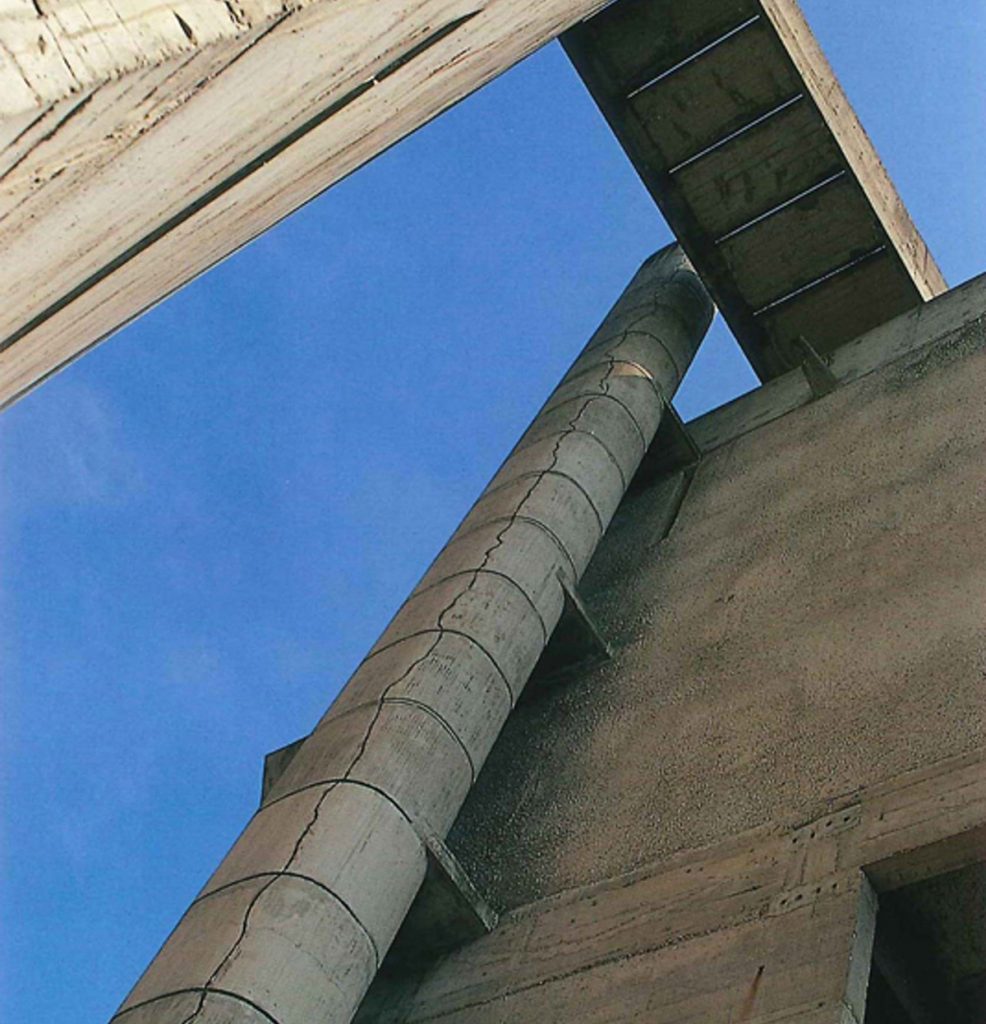
An essential material in virtually every construction project is concrete, which is considered a key material for improving the structural durability of buildings and infrastructure. However, after a period of use, deterioration is unavoidable, with cracks and fractures often developing due to continuous and prolonged exposure to chemicals or water.
For this reason, researchers have studied and developed self-healing concrete, enabling concrete to repair cracks on its own under conditions involving sufficient moisture, microorganisms, and other factors. Thanks to this new material, the service life of structures can be improved and extended over the years.
Nanomaterials

Nanotechnology has helped materials technology move beyond traditional boundaries.
Nanomaterials are developed based on advanced materials technology and have achieved significant breakthroughs. Nanomaterials such as carbon nanotubes, when combined with high-strength concrete, can create new materials with exceptional load-bearing capacity and resistance to pressure, helping reduce the amount of steel required during construction. In addition, they can help accelerate the construction of building projects.
Solar Cells
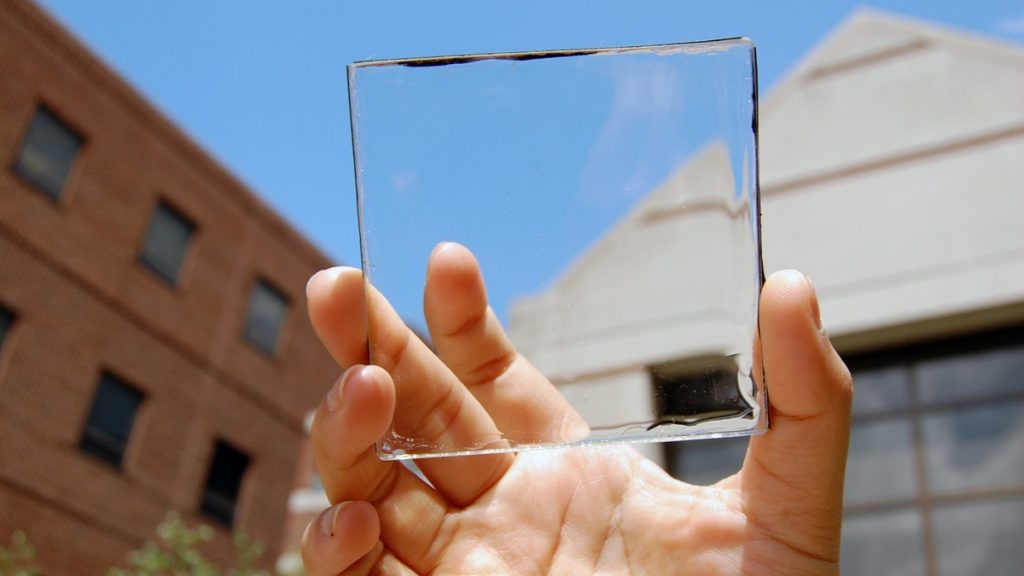
With advances in nanomaterial technology, we can develop higher-quality solar cells compared with previous generations. The efficiency of solar cells is not only improved in terms of performance, but their production costs can also be significantly reduced. They can replace fossil fuel-based energy while opening up promising prospects for the future of the solar cell manufacturing industry.
Applied Material Trends
“Sweating” Roofs
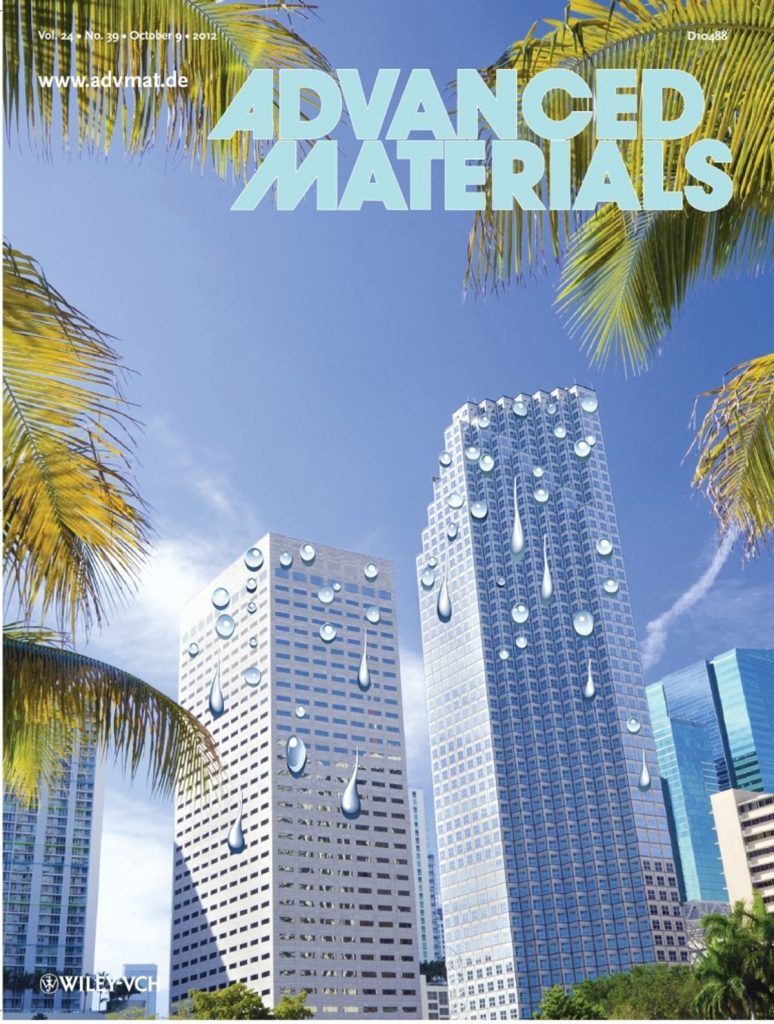
“Sweating” roofs are a new material trend that can help cool homes on hot days. Similar to the sweating mechanism of the human body, this material can absorb rainwater and “sweat” to reduce the temperature of a house when the outdoor temperature reaches a certain threshold.
Insulating Aerogel
Considered one of the best insulating material trends today, aerogel held 13 Guinness World Records in 2011. With outstanding advantages such as being environmentally friendly, lightweight, and relatively inexpensive as a building material, aerogel has been widely adopted in construction, primarily for commercial and residential applications.
Slippery Surface Materials

Materials with slippery surfaces are developed with the aim of limiting and preventing the spread of infectious diseases in areas with a high risk of disease transmission where comprehensive disinfection measures are required. Continuously disinfecting or organizing entire spaces for disinfection is not an easy task, which is why slippery surface materials have been studied and developed.
Materials with porous surfaces that allow liquids to pass through and are sufficiently slippery to prevent bacteria from adhering to them can help address these concerns. In addition, this material trend can also help prevent the buildup of stones, dust, paint, and other substances.
Spider Silk
To this day, many people still consider spider silk to be fragile and weak, but research has shown that spider silk is actually one of the strongest materials in the world, with greater strength than steel, while also being extremely fine, highly flexible, and remarkably lightweight.
Spider silk has been applied in many different fields and has achieved notable results. It is also considered one of the material trends with potential applications in the construction industry of the future.
New-generation material trends are increasingly being developed to replace traditional materials such as brick walls, cement, reinforcing steel, and concrete. We look forward to the development and widespread application of these new materials in the construction industry worldwide.
——Lam Pham Construction Co., Ltd. – LPC
Hotline: 0911.29.9696
Website: https://lpc.vn
Facebook: Lam Pham Construction
Youtube: Lam Pham Construction
Related articles
View all
LONGITUDINAL BENDING COEFFICIENT η OF REINFORCED CONCRETE COLUMNS SUBJECTED TO ECCENTRIC COMPRESSION ACCORDING TO TCVN 5574-2018
According to TCVN 5574-2018, the longitudinal bending coefficient η is a parameter used in the structural calculation of reinforced concrete columns subjected to eccentric…

Directions for improving the quality of social housing today and in the future
On December 1, 2023, the Hanoi Association of Architects organized a discussion session entitled “Planning and Architecture of Social Housing – Present and Future”. At the…
Series on Foundations (Part 1)
Foundations play an important role in every construction project. To have a beautiful and sturdy home, the foundation must be built firmly and safely.
Building sustainable projects together
Follow expert knowledge from LPC engineers or contact us when you need advice.