

Smart materials are not a new keyword, but they have been increasingly searched for in recent times. This is a natural response to the continuous changes in society, the passage of time, and increasingly modern lifestyles. People are gradually becoming more dependent on technology, smartphones, smartwatches, smart home devices, and new technological devices, all of which are constantly being developed.
Smart materials are also created as a result of this development. Architects are constantly researching and striving to create smart materials that are effective, durable, and sustainable, while improving the quality of life and the living environment for communities.
What Are Smart Materials?
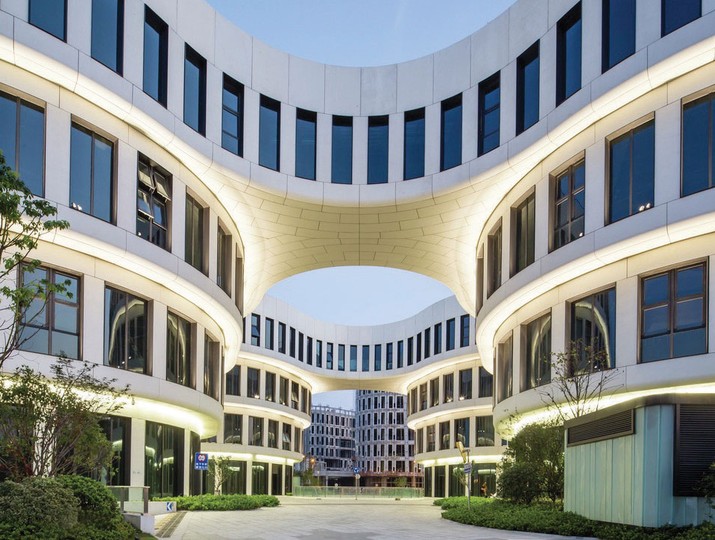
Smart materials are materials capable of automatically adjusting, responding, or changing their structure, properties, or shape based on interactions with the environment or external factors such as temperature, light, humidity, electromagnetic fields, pressure, and other control signals.
Smart materials use technology and design to adapt, respond, and change according to specific needs without requiring external intervention.
In the construction sector, smart materials play an important role in creating more efficient, sustainable, and functional buildings and infrastructure.
5 Types of Smart Materials Commonly Used in Construction
1. Self-Cleaning Concrete
Self-cleaning concrete can remove air pollutants by using catalysts or systems that generate calcium hydroxide when exposed to sunlight. This helps reduce pollution and create healthier living and working spaces.
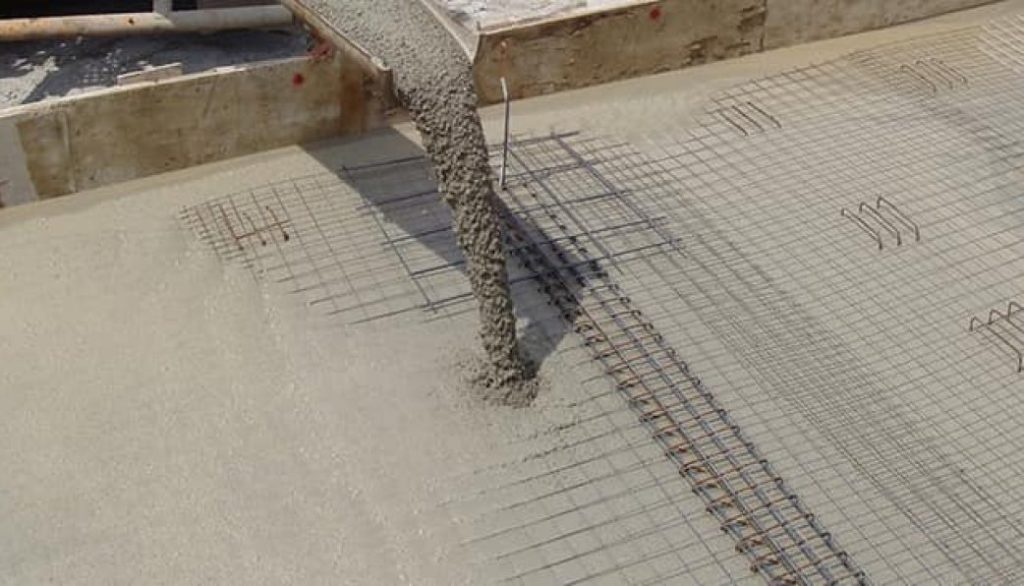
How It Works: Self-cleaning concrete works by using catalysts or systems that generate calcium hydroxide when exposed to sunlight. This process is known as the “photocatalytic self-cleaning process.” The catalyst commonly used is titanium dioxide (TiO2), which can activate the oxidation of pollutants on the concrete surface into non-toxic and easily degradable substances.
Advantages of Self-Cleaning Concrete:
- Widely applicable in sustainable construction projects such as buildings, bridges, and tunnels. Its self-cleaning capability helps maintain the appearance and durability of concrete surfaces over time, reducing maintenance and restoration costs.
- Safe living and working environments: Removing pollutants and bacteria helps reduce the risk of infection and creates a healthier environment for users.
- Smart city development: Self-cleaning concrete has the potential to be applied in smart city projects. This technology can be integrated with sensor systems to monitor air quality, pollution levels, and the living environment.
- Development of smart transportation systems
2. Automatic Thermal Insulation Materials
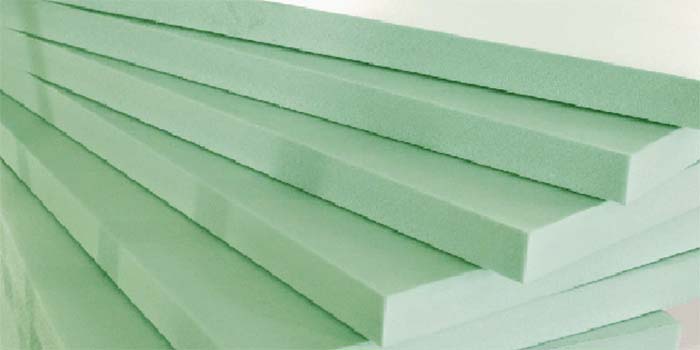
Smart thermal insulation materials are a breakthrough technology in construction. With the ability to automatically regulate temperature, they help save energy and provide comfort. Smart glass can change its tint and transparency, allowing automatic control of temperature and light. Phase-change materials such as foam can adjust their insulation performance according to ambient temperature.
Heat-reflective materials can reflect solar heat radiation, reducing the thermal load on buildings. Automatic thermal insulation materials help create energy-efficient and environmentally friendly buildings, providing a comfortable and sustainable living environment.
3. Smart Doors and Windows
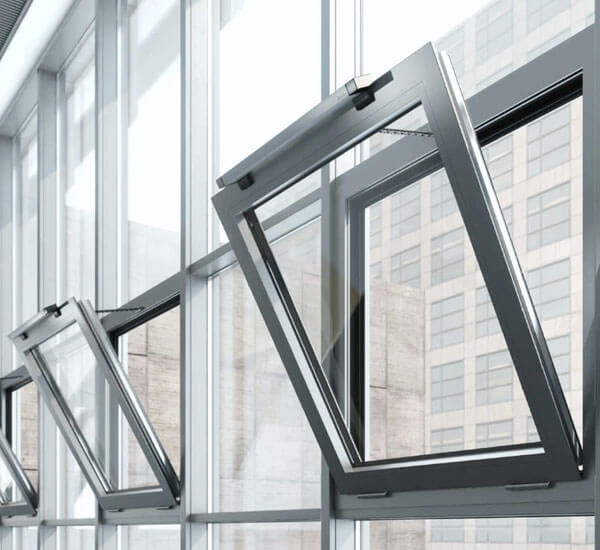
Smart doors and windows combine technology to improve convenience and safety. They can automatically open, close, and control light. Smart doors can be controlled remotely using a smartphone or smart home system. Smart windows can automatically adjust their tint and ventilation. Both help optimize energy use, create open and comfortable spaces, and enhance security.
4. Self-Cleaning Materials
Self-cleaning materials – smart materials are materials capable of removing pollutants or dirt without human intervention.
Typical self-cleaning materials include self-cleaning concrete, self-cleaning glass, mold-based self-cleaning materials, UV self-cleaning materials, and others. These self-cleaning materials are being widely researched and applied across industries to create clean and safe environments while reducing dependence on human intervention to maintain cleanliness.
5. Shape Memory Alloys
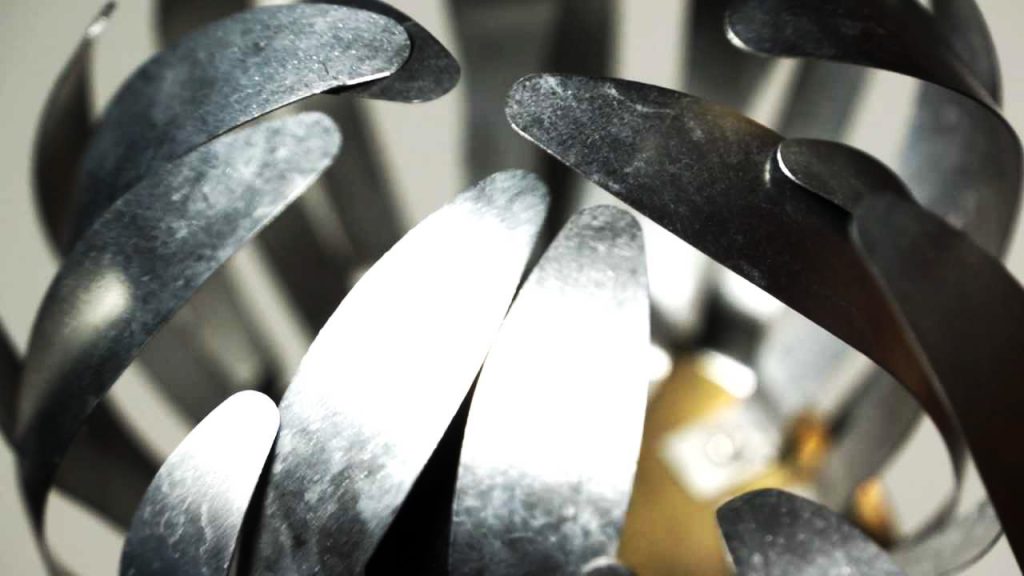
Shape Memory Alloy (Shape Memory Alloy – SMA) is a type of material capable of returning to its original shape after being deformed by temperature or pressure. This is a unique and useful property of SMA, allowing it to be applied in many different fields.
In construction, SMA can be used in smart doors or windows and in components capable of automatically adjusting based on temperature and pressure.
Smart materials are gradually becoming an inevitable trend to meet the demands of modern, busy lifestyles.
—- Lam Pham Construction Co., Ltd. – LPC
Hotline: 0911.29.9696
Website: https://lpc.vn
Facebook: Lam Pham Construction
Youtube: Lam Pham Construction
Tiktok: Lam Pham Construction
More articles
All news


Have a project in mind?
LPC engineers are ready to share their experience and propose the right solution for your project.