


The Digital Construction Site – The Biggest Transformation in the Construction Industry
Digital Construction Site is an important step in the digital transformation journey of the construction industry, where data and technology become the foundation for every management decision. With its vision of developing a Construction Platform, LPC works alongside construction businesses to build smarter, more transparent, and more efficient operating models.
- What is a Digital Construction Site?
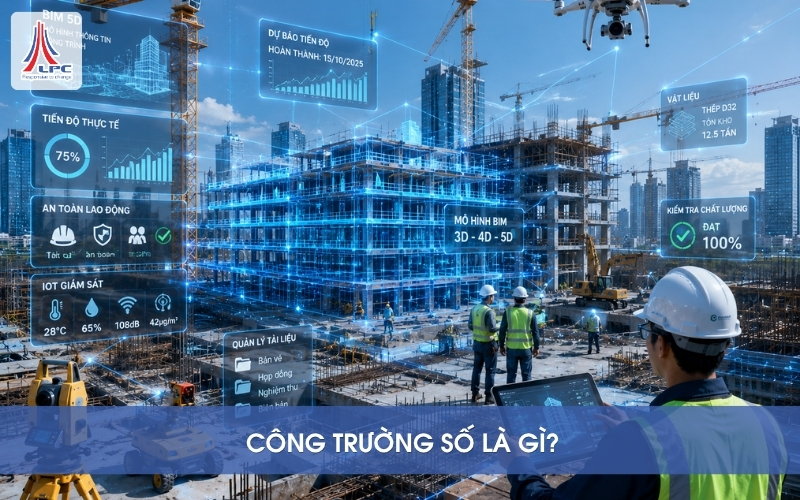
Digital Construction Site is a construction management model that applies technology, data, and digital platforms to connect all activities from the construction site to the office. Information on progress, quality, costs, materials, and human resources is updated transparently, helping construction businesses control projects more effectively.
Simply put, a digital construction site represents a shift from experience-based management to a data-driven operating model. With the ability to update information in real time, managers can make faster, more accurate, and more proactive decisions throughout the project lifecycle.
BIM (Building Information Modeling) serves as a platform for simulating and managing building information, enabling project stakeholders to share a common “single source of truth” from design through construction. In addition, the Internet of Things (IoT), with sensors and smart devices, helps collect data directly from the construction site, supporting the monitoring of construction conditions, equipment, and safety factors.
The development of artificial intelligence (AI) is also opening a new chapter for the construction industry by enabling data analysis, risk prediction, and more accurate decision-making support for managers. At the same time, Construction Platforms, Cloud Computing, and mobile applications help synchronize information between offices and construction sites, ensuring that all stakeholders can access data anytime, anywhere.
The convergence of these technologies has created a modern digital construction site model – where projects are operated based on data, connectivity, and intelligent management decisions.
Limitations of the Traditional Construction Site Model
The larger the project, the greater the number of subcontractors and stakeholders involved, while management methods based on paperwork, manual reports, and personal experience are increasingly revealing their limitations. Delays in updating information, lack of connectivity, and difficulties in controlling project schedules, costs, and quality expose construction businesses to numerous risks.
2.1. Dispersed data, lack of connectivity and transparency
At traditional construction sites, project data is often stored separately across multiple platforms such as paper documents, Excel, email, or individual communication groups. This makes information retrieval, data cross-checking, and change-history tracking time-consuming.
A delayed decision or inaccurate information at the construction site can lead to significant impacts on the schedule, cost, and quality of the entire project.
2.2. Difficulty controlling progress and identifying risks in a timely manner

Most management decisions at traditional construction sites are based on manual daily or weekly reports. The time gap between actual construction activities and reported data means that issues such as schedule delays, material shortages, or quality defects are often detected only after consequences have already occurred.
2.3. Heavy reliance on individual experience
The experience of project managers and management teams always plays an important role, but excessive reliance on individuals makes it difficult for businesses to standardize processes and scale the management of multiple projects simultaneously.
2.4. Difficulty optimizing costs and improving productivity
The lack of accurate and real-time data makes it difficult for businesses to control materials, labor, and unexpected costs. This is also one of the factors that reduce productivity and the competitiveness of construction businesses.
It is clear that the limitations of the traditional model are not merely issues with management tools, but also barriers to business development. This is why the digital construction site has become an inevitable trend, helping the construction industry move from subjective management to data- and technology-driven management.
See more: Effective Digital Construction Site Management Software
3. Benefits of Digital Construction Sites for Owners and Contractors
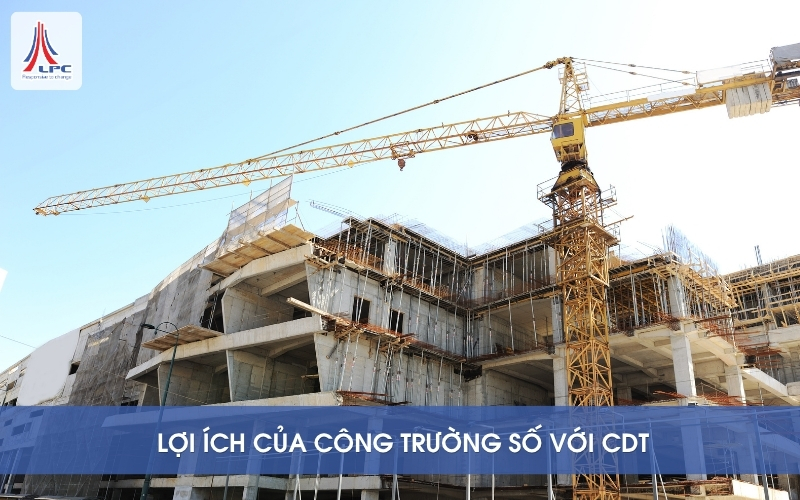
The transition from traditional construction methods to digital construction sites not only changes the way projects are managed but also creates practical value in terms of schedule, cost, quality, and operational capabilities. For both project owners and contractors, the digital construction site is a foundation for improving management efficiency and strengthening competitiveness in the modern construction industry.
3.1. Transparent information and real-time project control
One of the greatest benefits of a digital construction site is its ability to connect data seamlessly between the construction site and the office. Project owners can transparently monitor progress, construction quality, and emerging issues, while contractors can update actual implementation status to make faster and more accurate decisions.
Access to real-time data helps reduce the gap between plans and actual conditions, minimizing delayed or inaccurate reporting.
3.2. Cost optimization and improved resource utilization
For construction projects, unexpected costs are always a major challenge. Digital construction sites help businesses better control materials, labor, equipment, and construction quantities through continuously updated data.
As a result, project owners can manage project budgets more effectively, while contractors can optimize resources, reduce waste, and improve profitability throughout the construction process.
3.3. Improving construction quality and minimizing risks
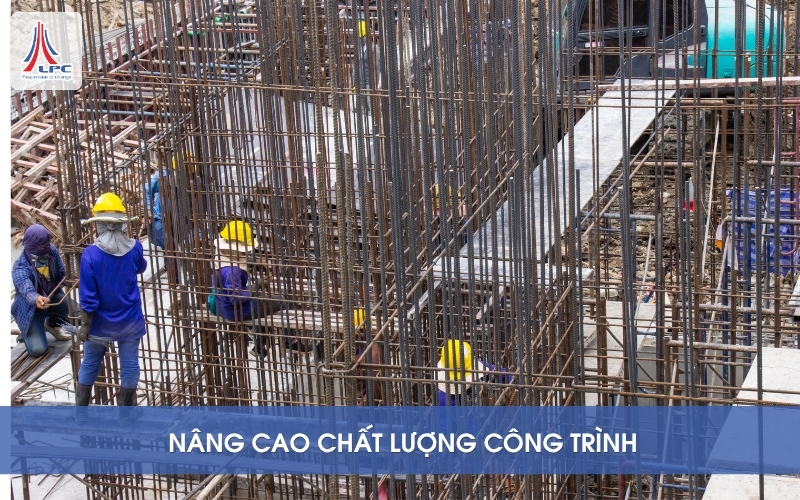
Centralized storage of data such as construction logs, quality records, site images, and emerging issues helps make quality control more rigorous.
At the same time, the ability to monitor and provide early warnings about risks related to schedule, safety, or construction errors enables stakeholders to proactively address issues before they affect the entire project.
3.4. Strengthening competitiveness and sustainable development
Digital construction sites help standardize processes, establish project data systems, and create a foundation for businesses to scale up the management of multiple construction projects simultaneously.
For project owners, this is a tool that helps ensure projects are implemented transparently and in line with investment objectives. For contractors, digital construction sites are the key to improving productivity, optimizing profitability, and demonstrating capabilities in the era of smart construction.
4. The Future of Digital Construction Sites
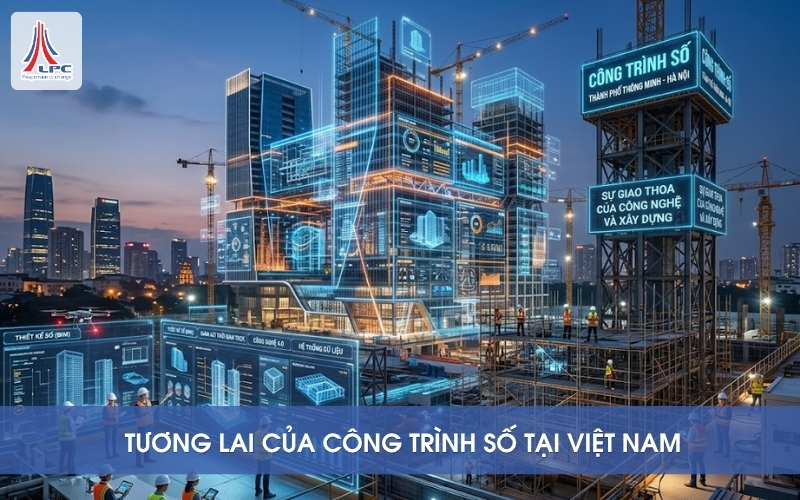
In the coming years, the digital construction site will no longer be an option but will become the new operating standard for the construction industry. The development of data, artificial intelligence (AI), and digital management platforms will enable construction projects to move toward more proactive, connected, and highly automated management models.
The future of the construction industry lies not only in creating high-quality buildings but also in the ability to manage projects intelligently and optimize the entire building lifecycle, from design and construction to operation. Construction businesses that master data and technology will gain a sustainable competitive advantage in the new era.
See more: Is Construction Technology in Vietnam Gradually Becoming Outdated?
5. LPC and Its Digital Construction Site Development Strategy
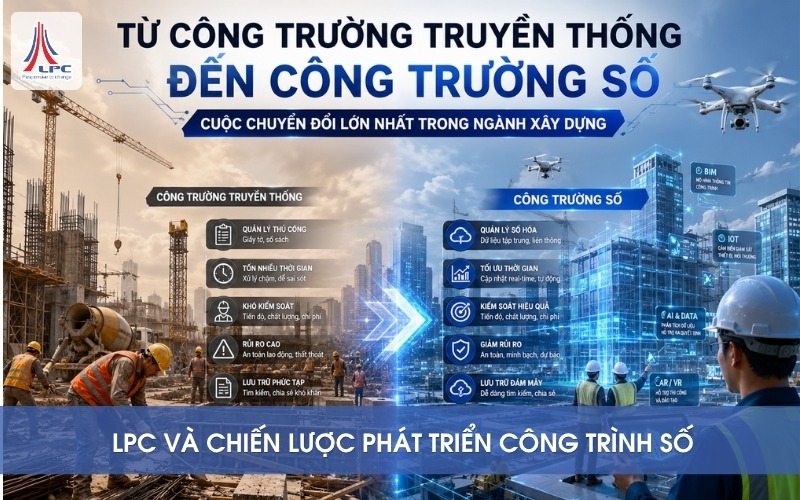
With the vision of becoming a pioneering technology general contractor and Construction Platform in Vietnam, LPC aims to build a digital ecosystem that connects the entire value chain of the construction industry. Rather than only providing construction solutions, LPC focuses on developing technology platforms that help businesses manage projects effectively, standardize processes, and improve operational capabilities.
LPC's digital construction site development strategy focuses on connecting data between project owners, consultants, contractors, and other stakeholders on a unified platform. This is an important step in helping the construction industry transition from traditional management models to a smart, transparent, and sustainable construction ecosystem.
Digital Construction Sites are opening a new era for the construction industry, where data and technology become the foundation for every management decision. With the vision of becoming a pioneering technology general contractor and Construction Platform, LPC continuously develops digital solutions that help construction businesses optimize operations, strengthen competitiveness, and shape the future of smart construction.
Contact information:
Fanpage: Lam Pham Construction (LPC)
Hotline: 0911.299.696
More articles
All news

Have a project in mind?
LPC engineers are ready to share their experience and propose the right solution for your project.