Construction material price forecast for 2020
Investors, contractors, and individual customers all research and consider construction material prices before making purchases in order to choose the right time to buy. For the total construction cost of a completed project, construction materials always account for a significant portion. Below is LPC's forecast of construction material prices in 2020, providing readers with additional reference information.
1. Scope of the 2020 construction material price forecast
Before analyzing and forecasting construction material market prices in 2020, we need to clearly identify the types of construction materials, or the scope of these products. The main construction material products belong to two groups:
a. Natural construction materials
- Sand, stone, gravel
- Peat, sand
- Wood, bamboo, leaves, various types of bamboo, branches, etc.
b. Manufactured construction materials
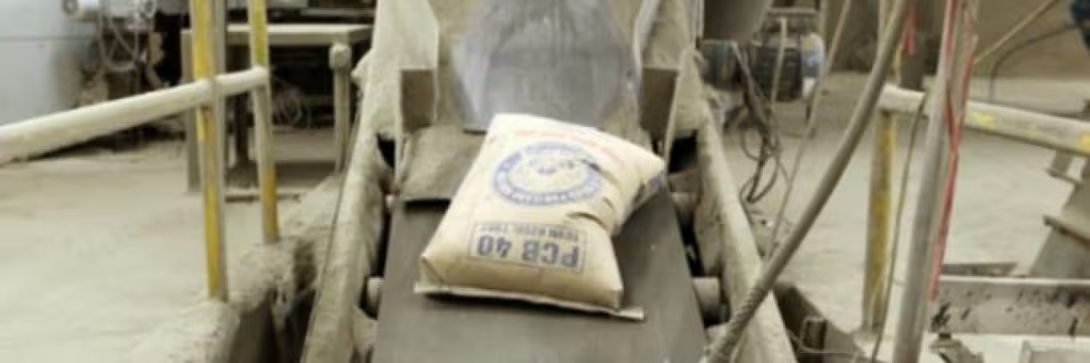
- Cement mixtures and various types of cement
- Fired bricks, clay bricks, and tunnel kiln bricks
- Concrete sand
- Gypsum, glass
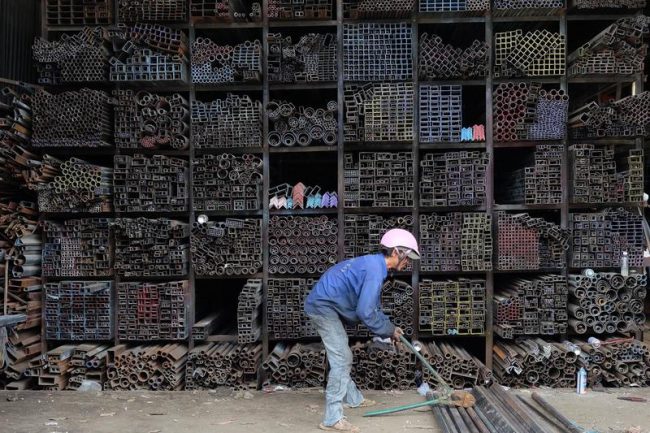
- Metals (iron, stainless steel, steel, copper, aluminum)
- Plastic, paper, membranes, ceramics, etc.
2. Construction material prices in 2020 will largely depend on market demand
To accurately forecast construction material prices in 2020, many changing factors must be taken into account. However, the most important factor remains the level of construction demand at that time.
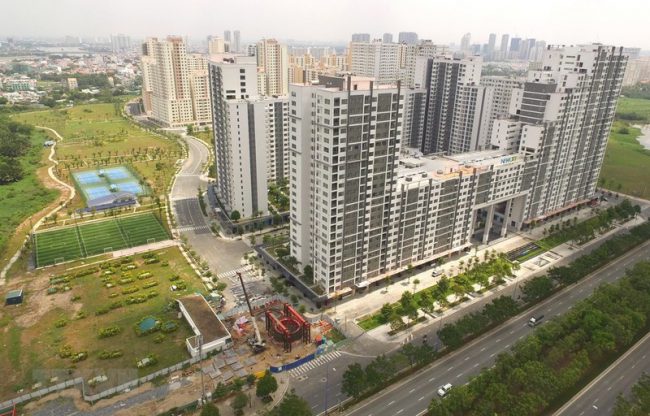
If market supply exceeds demand, product prices will decrease. Conversely, if demand exceeds supply, it will drive up construction material prices. According to statistics and forecasts, the population is expected to continue growing rapidly next year, inevitably leading to increased demand for housing. Urban construction density is becoming increasingly dense, while large-scale projects are being promoted to address this issue.
In addition, Vietnam's investment environment is currently very attractive, attracting foreign capital, while many factories, international conferences, and tourists are coming to the country. These factors are contributing to the development of the real estate market, leading to increased demand for construction materials. Therefore, construction material prices in 2020 are forecast to increase.
3. Detailed forecast of construction material prices in 2020
According to the latest market analysis and survey conducted by LPC, construction material prices in 2020 are forecast to be higher than in 2019. Specifically:
a. Construction sand supply will become scarce
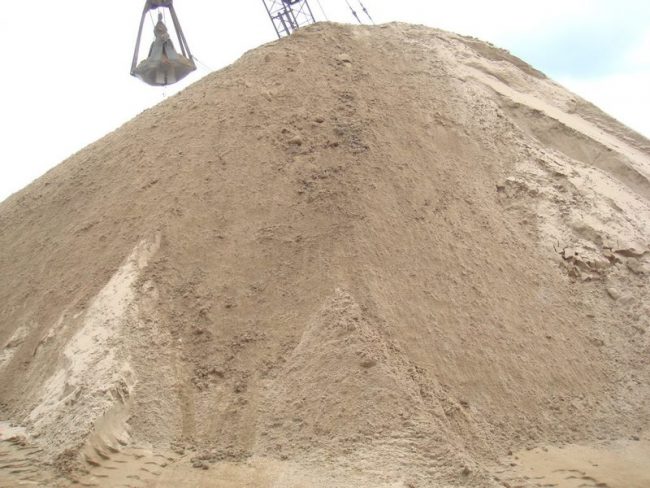
By 2020, the total estimated exploitable sand reserves are expected to be very low and insufficient to meet demand. Data shows that total exploitable reserves are expected to reach only nearly 250 million m³, while demand could reach 366 million m³. This shortage will drive sand prices higher. The use of manufactured sand is being implemented as a solution, but it cannot immediately stabilize the market.
b. Cement prices are also unlikely to avoid an increase
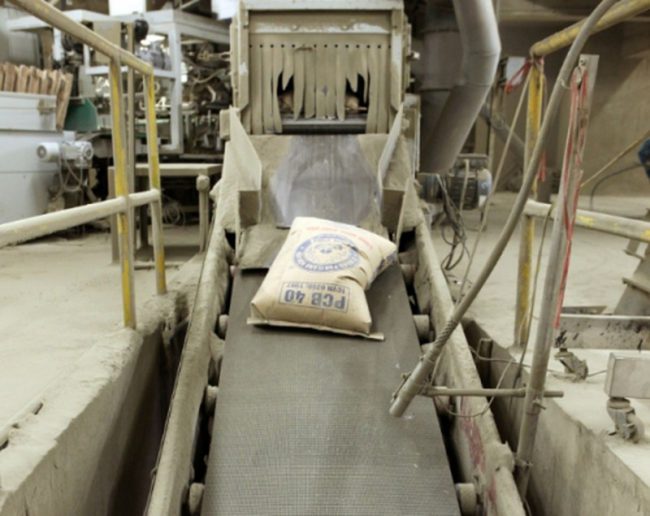
Although domestic cement production is increasing, relocating factories and grinding stations away from urban areas in accordance with policy may cause temporary production disruptions. This could lead to localized shortages and price increases in 2020 and the following years.
c. Construction iron and steel prices will increase significantly
With excellent bending capacity and a wide range of sizes, iron and steel are being increasingly improved. New import and export policies are also making it more difficult to import iron and steel, inevitably causing construction steel prices to increase in 2020.
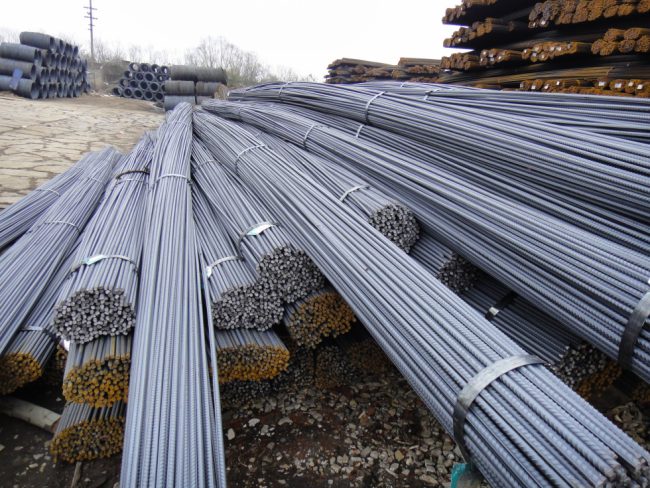
In addition, prices of other materials such as bricks and tiles are also gradually increasing, while natural materials such as wood are becoming increasingly scarce. Therefore, construction material market prices overall are forecast to increase in 2020. Don't forget to follow more articles from LPC for accurate and timely updates on construction material prices in the future!
Related articles
View all
Long-span flat slabs in modern architecture
Long-span flat slabs – where architects create sophisticated architectural beauty. Architectural beauty is understood as the organization and arrangement of spaces with functional…

Green materials and economic efficiency in construction – Can they go hand in hand?
Today, a popular trend being adopted by the construction industry both globally and domestically is the production of environmentally friendly construction materials using new…

ECONOMIC AND TECHNICAL EFFICIENCY OF FLAT SLABS COMPARED TO TRADITIONAL SLABS
Today, voided slabs, lightweight concrete slabs, also known as flat slabs, have established their position compared to traditional concrete slabs. With advantages in architecture,…
Building sustainable projects together
Follow expert knowledge from LPC engineers or contact us when you need advice.