Which types of construction materials will become the future of the construction industry?
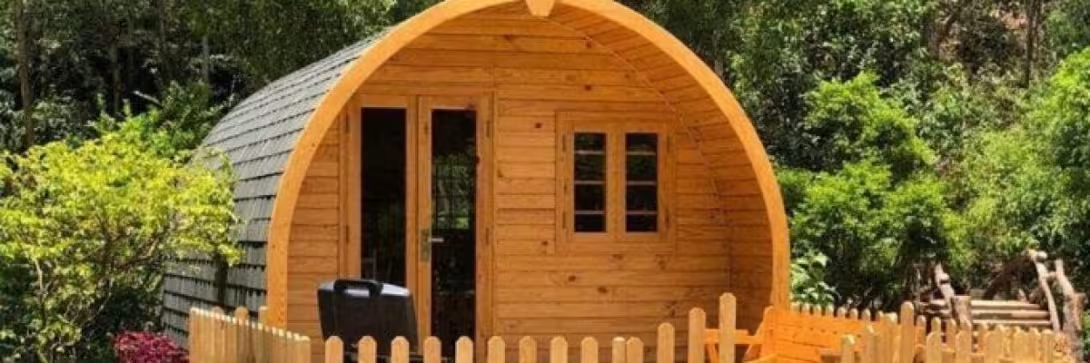
Raw materials are one of the important factors in the construction process. In addition to construction materials commonly used today, the development of modern technology has led to the creation of many new materials with superior features. Can these products completely replace traditional materials? What is the right direction for the construction industry in the future?
1. What are construction materials?
Simply put, construction materials are any types of raw materials used to construct buildings and other structures. You can easily recognize familiar materials that are commonly used, such as wood, bamboo, reinforced concrete, iron, cement, and so on. Construction materials are core components of every structure, playing an important role in determining the success or failure of construction. Using suitable construction materials for a project not only helps contractors achieve good results but also saves significant costs and limits negative impacts on the environment.
2. Classification of construction materials
To better understand and effectively use construction materials, you need to know how they are classified. The classification of materials is generally based on their origin. Normally, construction materials can be divided into two types – traditional and modern.
a. Traditional construction materials
Traditional construction materials are raw materials that have existed for a very long time and have been used in the construction of buildings, roads, stations, and other structures. Traditional materials are sourced directly from nature, such as bamboo, wood, stone, and gravel, and have been used in many structures that have stood the test of time. In addition, the construction industry also uses natural materials that have been processed by humans, such as fired clay bricks, ceramics, and porcelain. Traditional construction materials have high durability and flexibility, so they have continued to be widely used from the past to the present.
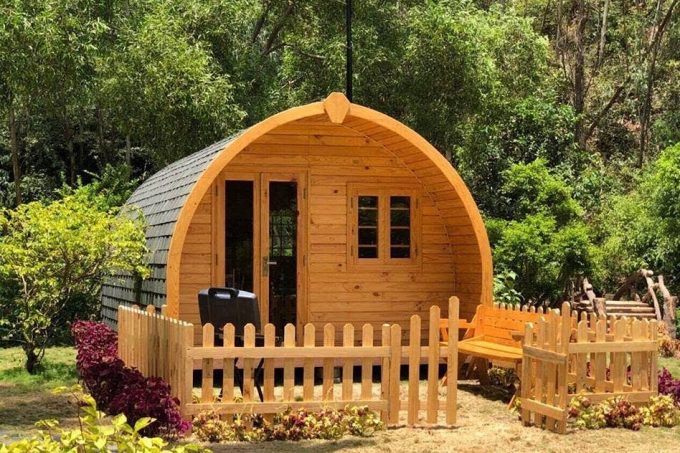
However, after a long period of extraction and use, traditional materials have gradually revealed their weaknesses. The continuous clearing of forests for timber construction has seriously affected ecosystems. Fired bricks, cement, and other materials also have negative impacts on the human living environment. As the construction industry continues to develop, the rapid adoption of modern and environmentally friendly construction materials is an inevitable trend.
b. Modern construction materials
Along with the rapid development of scientific and technological advances, the construction materials manufacturing industry is also gradually transforming, introducing many types of modern materials that overcome the limitations that still exist when using older product lines. Below are some modern construction materials currently being applied in Vietnam and around the world:
✅ Ubot box
The Ubot box is a void-forming box made from recycled Polypropylene, used to create beamless flat slabs with large spans. This Ubot box meets stringent requirements in the construction industry, not only helping to save on material costs but also being environmentally friendly.
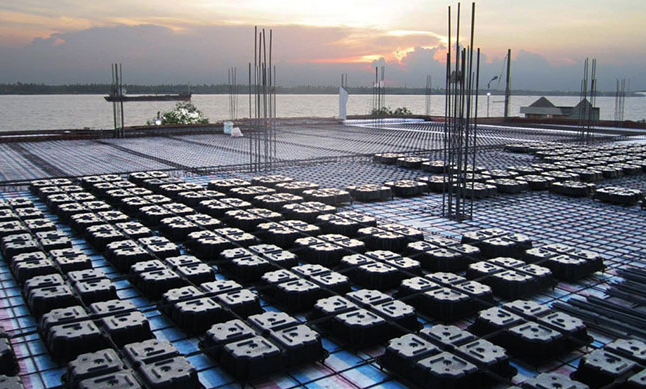
The use of Ubot beamless flat slabs brings many positive benefits in terms of both cost and technical performance. Ubot lightweight slabs reduce the weight of the beam-and-slab system by 10–30% compared with traditional reinforced concrete slabs. The lightweight slab system makes it easier to add floors while optimizing the cross-section and number of columns used. The total construction cost can be reduced by 10–15%, helping contractors save on their construction budget.
✅ Green wall cladding wood
Instead of using natural wood, which is both difficult to transport and harmful to the Earth's greenery, buildings today use green wall cladding wood as a replacement. This type of wood is made from collected branches and tree limbs that are crushed and pressed together with binding agents. The product has high durability and flexibility and is resistant to fire and termite damage.
✅ Thermal insulation foam
Thermal insulation foam has many outstanding properties, such as sound insulation, waterproofing, good moisture resistance, and high durability. The foam is made from PS plastic, is lightweight, does not cause difficulties during transportation, and, in particular, does not produce harmful gases that affect human health. Foam is widely used in house construction and entertainment facilities today.
3. Which construction materials should be used in the future?
As society becomes increasingly civilized and modern, growing human needs are also driving stronger development in the construction industry. Along with the responsibility of global citizens to protect the environment, future construction projects are moving toward the use of modern materials that help reduce costs and are environmentally friendly.
Ubot beton, green wall cladding wood, thermal insulation foam, and many other advanced materials currently available will become an inevitable trend in the construction industry and completely replace traditional materials that have long had many limitations.
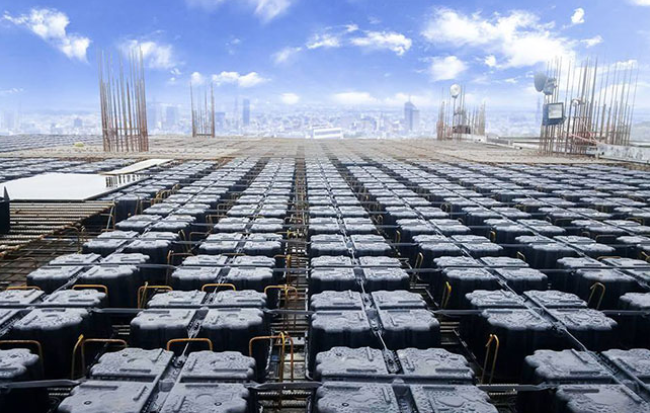
The use of green construction materials will help reduce environmental pollution, while optimizing various aspects of the construction process. Currently, many projects in Vietnam have already used these materials as replacements for traditional materials. This is a necessary change and an inevitable trend for the construction industry to pursue sustainable values in the future.
Related articles
View all
Long-span flat slabs in modern architecture
Long-span flat slabs – where architects create sophisticated architectural beauty. Architectural beauty is understood as the organization and arrangement of spaces with functional…

Green materials and economic efficiency in construction – Can they go hand in hand?
Today, a popular trend being adopted by the construction industry both globally and domestically is the production of environmentally friendly construction materials using new…
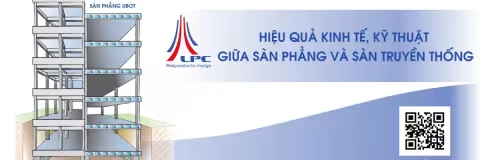
ECONOMIC AND TECHNICAL EFFICIENCY OF FLAT SLABS COMPARED TO TRADITIONAL SLABS
Today, voided slabs, lightweight concrete slabs, also known as flat slabs, have established their position compared to traditional concrete slabs. With advantages in architecture,…
Building sustainable projects together
Follow expert knowledge from LPC engineers or contact us when you need advice.