Promoting the development of green construction materials to protect the environment
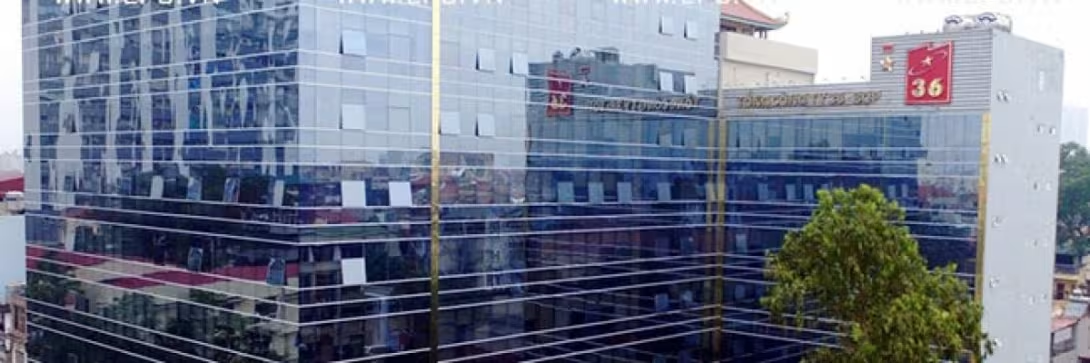
Along with the development of smart cities, green construction materials are becoming a trend that the construction industry is moving toward. Today, countries around the world are promoting the protection of natural resources and the conservation of energy sources.
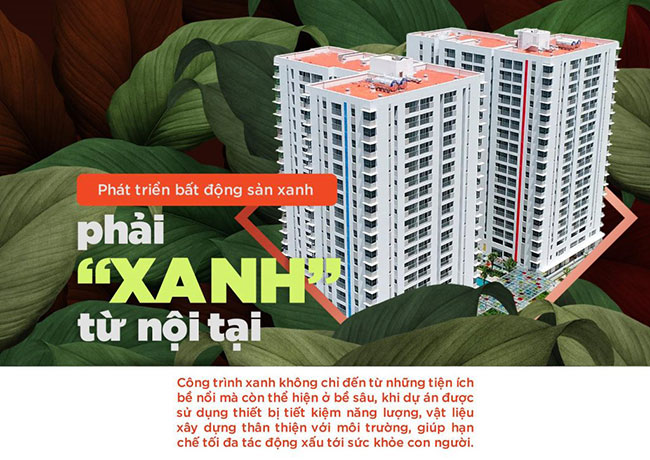
One of the industries that consumes the most energy and resources is the construction industry. Developed countries have successfully applied models using green construction materials that both protect the environment, conserve resources, and provide greater sustainability compared to conventional construction materials.
1. Getting familiar with the concept of green construction materials
Green construction materials can be understood as environmentally friendly construction materials. Using green materials aims to achieve more sustainable construction solutions and protect resources and energy for the whole world. Construction materials are considered green materials when they meet the following criteria:
✅ Non-toxic
This criterion is assessed based on the level of environmental pollution generated during production. The production process is optimized to minimize industrial waste.
✅ Resource-efficient
The production process must conserve natural resources (for example, using bamboo piles instead of steel) and save energy during extraction, transportation, and construction.
✅ Reduced environmental pollution
This is the most important factor. The materials used must not cause harm to the surrounding environment (soil, water, or air).
✅ Long service life & Recyclability
Materials must be of good quality, more durable than conventional materials, and highly recyclable after use.
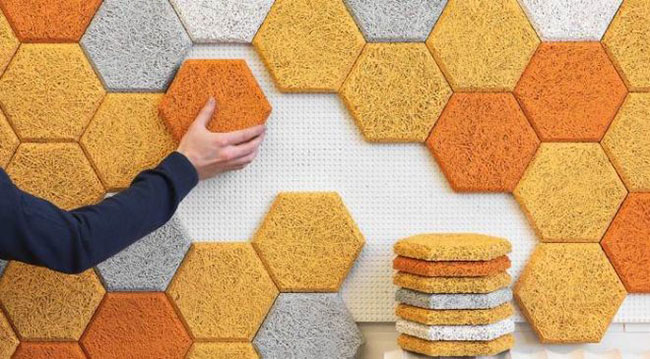
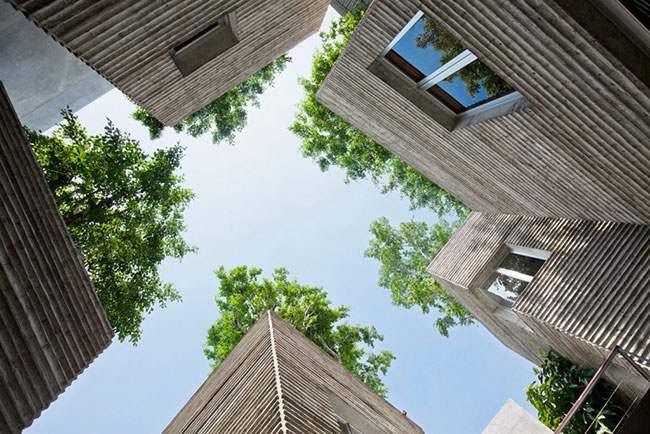
2. How is the world using green materials?
Developed countries such as Hong Kong, South Korea, Singapore, and others have taken the lead in using green materials. The proportion of non-fired bricks there reaches 70%. China has banned the use of fired clay bricks in major cities, increasing the proportion of non-fired bricks to 60%. In the United States, green commercial buildings account for up to one-third.
In Vietnam, demand for green materials is growing rapidly (10–12% over the past five years). The Government issued Decision No. 567/QD-TTg approving the development program for non-fired construction materials. In particular, in Hanoi and Ho Chi Minh City, projects using state budget funding are required to use 100% non-fired bricks.
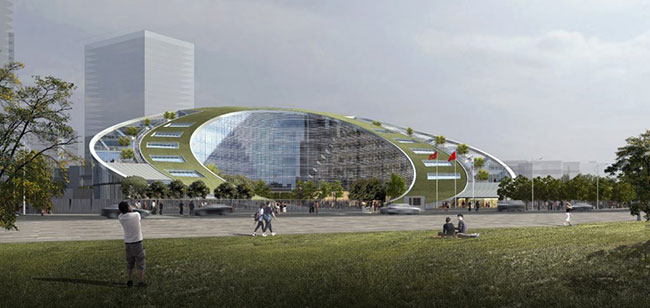
3. Benefits of applying green materials
- 🌱 Environmentally friendly: The production process does not generate toxic emissions.
- 🚀 Technology development: Promotes the application of advanced technologies in the construction industry.
- 💎 Resource-efficient: Protects national natural resources.
- life Improve quality of life: A clean environment protects human health.
- ♻️ Sustainable development: Increases the lifespan and sustainability of buildings.
4. Achievements in applying green construction materials technology at LPC
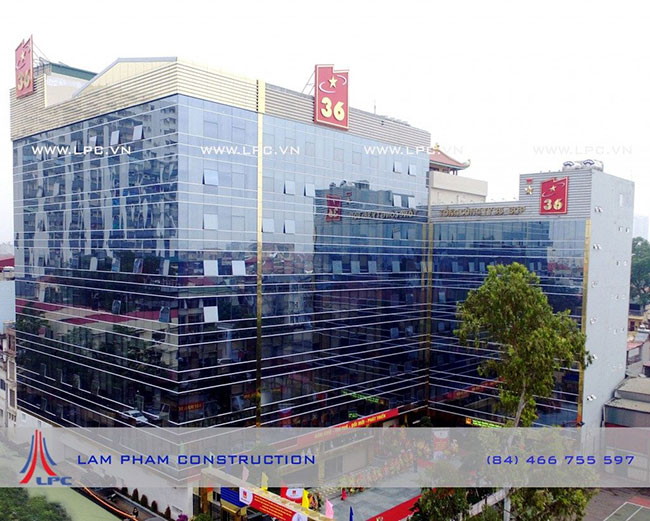
Lam Pham Construction Co., Ltd. (LPC) is one of the pioneers in successfully applying green materials. A typical example is the application of Ubot slabs to create beamless flat slabs from recycled plastic. This solution not only saves project costs but also contributes to reducing plastic waste, mitigating the greenhouse effect, and protecting the environment.
The use of green materials in construction not only protects the environment but also promotes sustainable economic development, reduces waste, and advances recycling technology.
Related articles
View all
Long-span flat slabs in modern architecture
Long-span flat slabs – where architects create sophisticated architectural beauty. Architectural beauty is understood as the organization and arrangement of spaces with functional…

Green materials and economic efficiency in construction – Can they go hand in hand?
Today, a popular trend being adopted by the construction industry both globally and domestically is the production of environmentally friendly construction materials using new…
ECONOMIC AND TECHNICAL EFFICIENCY OF FLAT SLABS COMPARED TO TRADITIONAL SLABS
Today, voided slabs, lightweight concrete slabs, also known as flat slabs, have established their position compared to traditional concrete slabs. With advantages in architecture,…
Building sustainable projects together
Follow expert knowledge from LPC engineers or contact us when you need advice.