How durable are common construction materials in Vietnam?
Construction is one of the important sectors of society. Therefore, for the industry to continue developing, construction materials must be continuously researched and improved. In fact, there are currently many interesting types of construction materials being used in projects. Let's explore the common construction materials in Vietnam and their durability with Lam Pham Construction in the article below!
1. What types of construction materials are there?
Construction materials are raw materials used to create construction projects (e.g., soil, sand, cement, etc.). There are many different types of materials, used for different purposes. However, they can basically be divided into two types:
- 🌱 Natural materials: Made from natural products such as clay, branches, sand, leaves, stone, etc.
- 🏭 Manufactured (synthetic) materials: Have undergone human processing and are used in industry, such as plastic, plywood, glass, cement, etc.
2. Commonly used natural construction materials

a. Stone – a construction material that stands the test of time
Stone is one of the oldest types of construction materials. Its advantages include versatility, availability, affordability, and exceptional durability. However, it is heavy, difficult to transport, and potentially dangerous to construct with, while also having poor heat retention. Nevertheless, ancient stone structures such as the Egyptian pyramids still stand today.
b. Bamboo and wood – traditional and practical
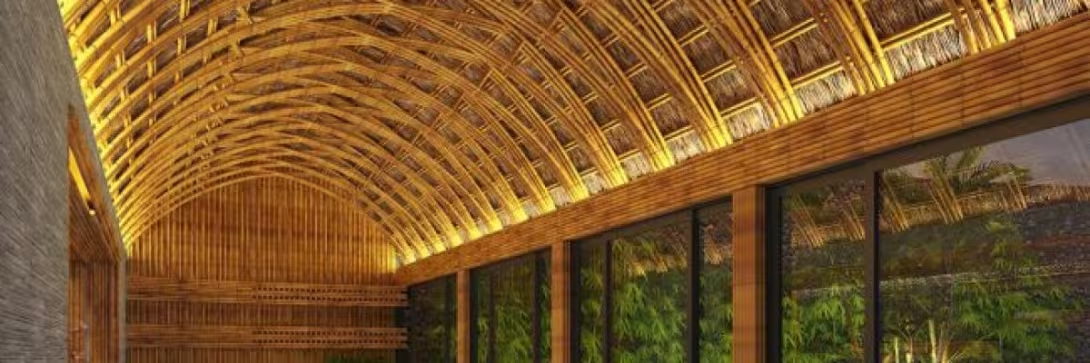
Bamboo is an inexpensive material with good electrical insulation properties and is very common in Vietnam. Today, bamboo is still widely used in modern construction projects or as scaffolding.
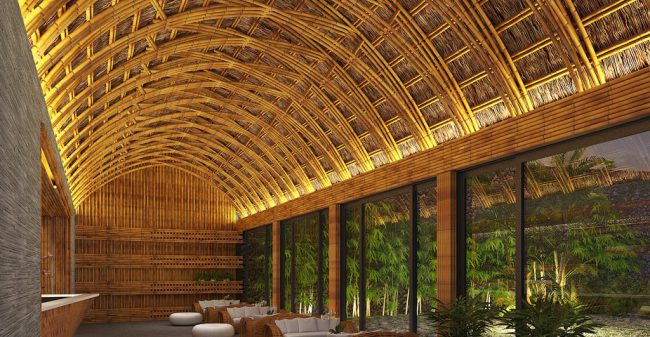
Wood is also an indispensable material. Wooden structures always attract considerable attention. Wood can be used in solid form or cut into thin, lightweight pieces for easier construction.
c. Clay and mud
Clay is soft and malleable when wet but becomes very hard when dry. In addition to construction, it is also used to make ceramics. In some places, mud is compressed between wooden molds to create walls. Earth-built houses have the advantage of being warm in winter and cool in summer due to their ability to maintain temperature effectively.
d. Ice – an unusual material
In the past, ice was only used to make igloos, but today ice hotels have been built for tourism in cold regions, creating unique architectural structures.
3. Manufactured construction materials are becoming increasingly popular
a. Cement – binding every structure together
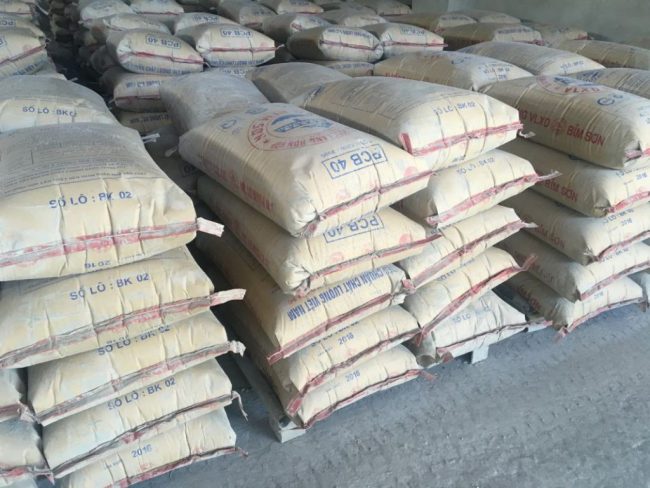
Cement is made from stone through industrial processing. It is the most common manufactured material in Vietnam thanks to its excellent binding properties, high durability, and long service life.
b. Plywood – durable and stable
Plywood is made by mixing ground wood fibers with synthetic compounds, molding and pressing them together. This material is carefully tested to ensure compatibility, stability, and bonding performance before being put into use.
c. Metal – creating a strong structural framework
Metals (iron, steel, alloys, etc.) are widely used to create structural frameworks for buildings thanks to their exceptional strength and durability.
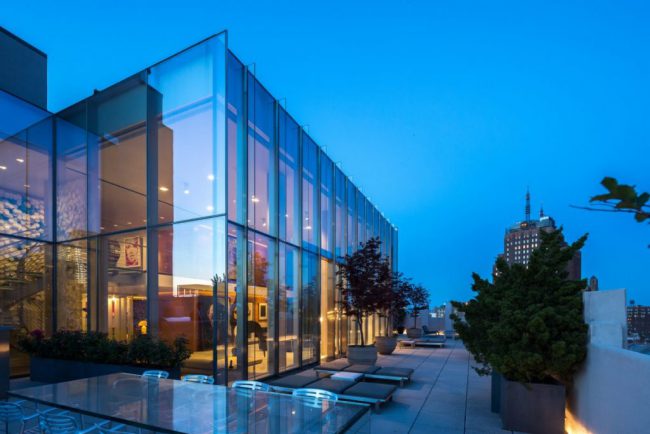
d. Glass – modern beauty
Today, glass is being researched and developed into a wide range of types (tempered glass, reflective glass, etc.), helping create attractive and elegant architectural effects while making use of natural light.
In addition to the common materials mentioned above, green and smart construction materials are also gradually becoming a trend today. This diversity gives contractors and architects more choices for creating beautiful structures.
Choosing the right construction materials depends on the material properties, project requirements, and the investor's perspective in order to achieve optimal efficiency.
Related articles
View all
Long-span flat slabs in modern architecture
Long-span flat slabs – where architects create sophisticated architectural beauty. Architectural beauty is understood as the organization and arrangement of spaces with functional…

Green materials and economic efficiency in construction – Can they go hand in hand?
Today, a popular trend being adopted by the construction industry both globally and domestically is the production of environmentally friendly construction materials using new…
ECONOMIC AND TECHNICAL EFFICIENCY OF FLAT SLABS COMPARED TO TRADITIONAL SLABS
Today, voided slabs, lightweight concrete slabs, also known as flat slabs, have established their position compared to traditional concrete slabs. With advantages in architecture,…
Building sustainable projects together
Follow expert knowledge from LPC engineers or contact us when you need advice.