Flexible, Continuously Adaptive Cities
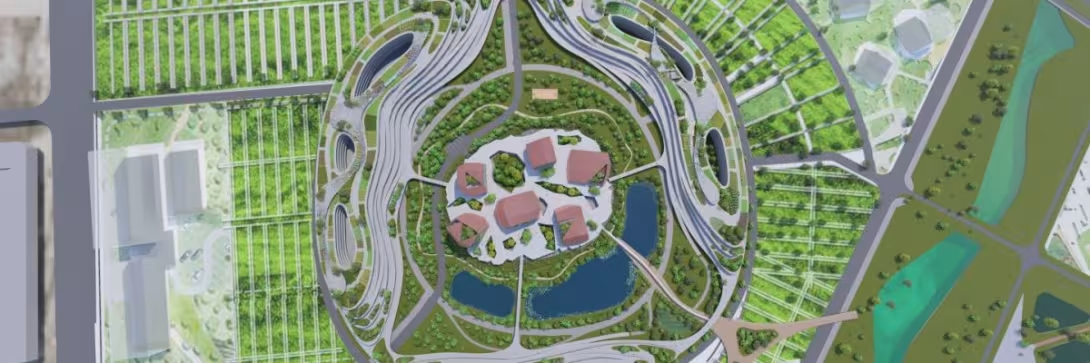
Based on observations of current phenomena and general assessments by experts, the 21st century will be a “war” between humans and various types of viruses. Their increasingly frequent emergence and significant impacts have once again prompted society to consider preparations for pandemics & determine the next strategies for each country.
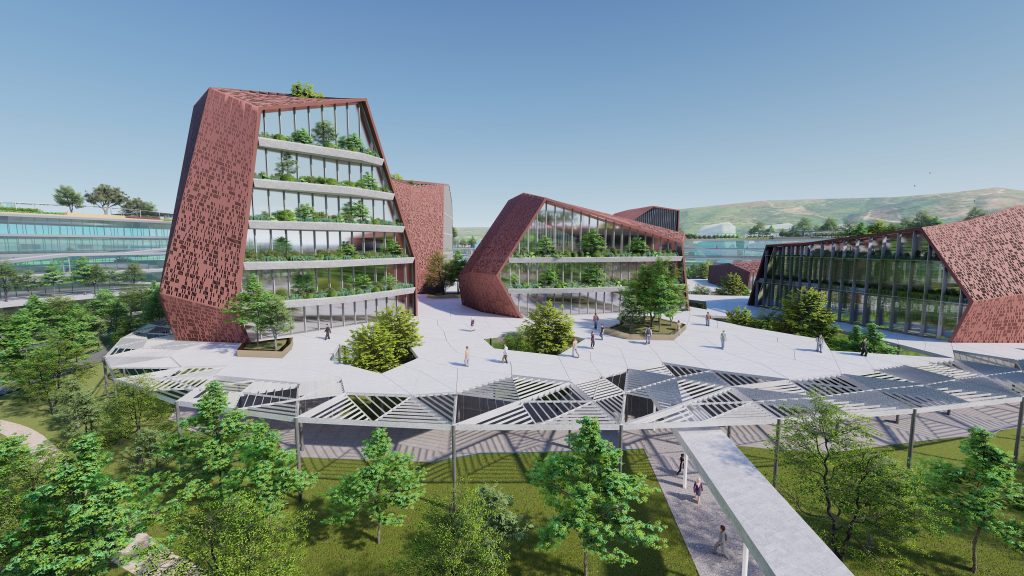
Priorities include: Increasing self-reliance, adjusting value-supply & production chains, establishing strategic links while promoting digitalization. In addition to Ha Long University’s self-reliance requirement by 2025, the remaining aspects will need to be considered in development orientation & spatial planning.
The factor of self-reliance also means that Ha Long University will operate like a business with 2 core components: The target groups served & the products created must be competitive in value in the market. Therefore, selectivity & business models, along with becoming more attractive, are more important than ever. Continuously adapting to 7 trends for post-Covid cities.
1. Creating Sustainable, Self-Sufficient Cities Inspired by Nature
This became most evident when the Covid pandemic emerged, as many organizations began applying self-production and supply through circular chains. Therefore, the safest starting point is always nature. Respecting circularity: reducing demand, reusing, and recycling are the foundations for preparing for a circular city.
2. Preserving Identity and Heritage to Create Distinction
With the continuous development of science and technology. Buildings are becoming increasingly attractive. However, preserving local identity & heritage by connecting technologies, people, processes & data will create wiser decisions for the relationship between people & nature to develop harmoniously and sustainably.
3. Promoting a Polycentric Urban Model
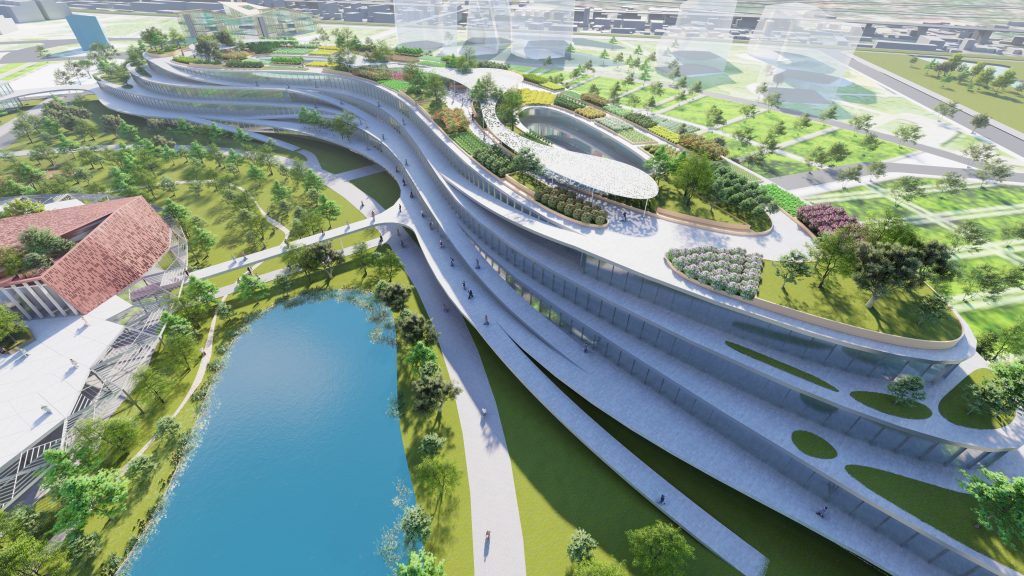
Creating unique value & identity, promoting the use of environmentally friendly means of transportation such as bicycles and walking combined with open spaces, improving the community instinct & people’s need for connection.
4. Promoting Flexible Urban Functions That Adapt to Continuous Change
Creating an open space can maximize opportunities to interact with nature-centered spaces within the project and allow commercial activities to use streets as a type of asset. The more public spaces adapt to life, the stronger sustainability becomes.
5. Encouraging Inclusive City Development & a Diverse Economy
Expanding employment opportunities for various groups in the city, helping reduce the economic & generational gap within the city. In addition, generations can fairly compete for development opportunities and seek employment.
6. Rethinking Transportation & Creating Fairness in the Neighborhood Model
Seeking alternative ways of transportation to easily switch between different means helps promote the integration and connectivity of the city. This is also one of the ways to activate neighboring community groups, creating connection and convenience. Developing services that provide infrastructure and practical functions through transportation and compact means of mobility while controlling pollution.
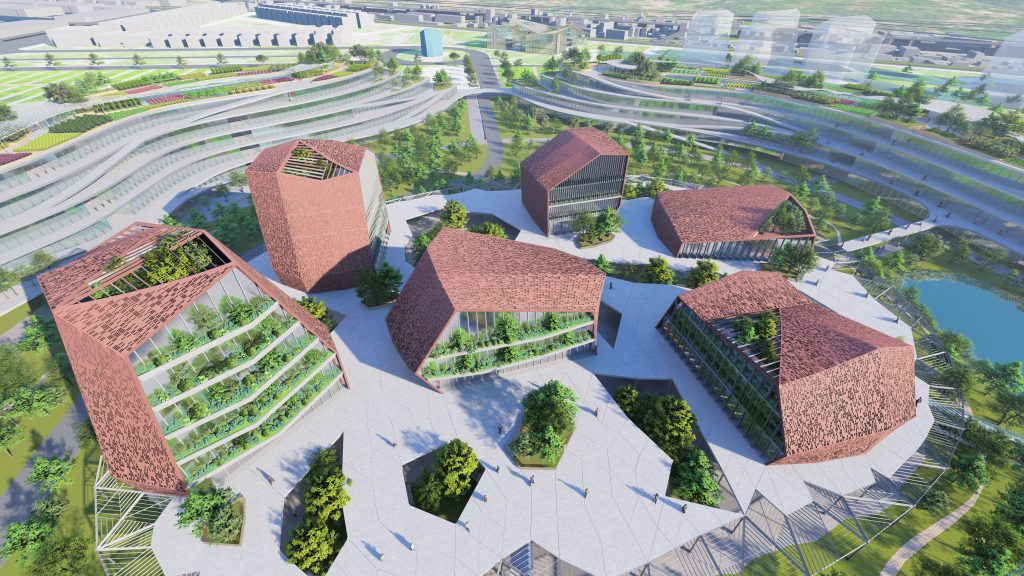
Innovation focuses on creating investment strategies, one of which is encouraging commitments from the public & private sectors, as well as non-traditional relationships such as non-governmental organizations. The goal is to create a sustainable environment that comprehensively improves residents’ quality of life, thereby strengthening the sense that building and protecting the living environment is for themselves.
7. Developing the Central Business District CBD
This is an opportunity to create a more connected city, with comfortable walking distances, accessible & usable spaces with diverse characteristics, allowing cities to connect with one another and develop strongly.
Lam Pham Construction Company Limited – LPC
- Hotline: 0911.29.9696
- Website: www.lpc.vn
- Facebook: Lam Pham Construction
Related articles
View all
20 nature-themed color combinations for designers
Color combinations are not simply an arbitrary choice but also the key to defining a design style, whether it is classic, minimalist, modern, or sleek. To create a harmonious and…
Building sustainable projects together
Follow expert knowledge from LPC engineers or contact us when you need advice.