4 lightweight construction materials that will replace traditional bricks and concrete in the future
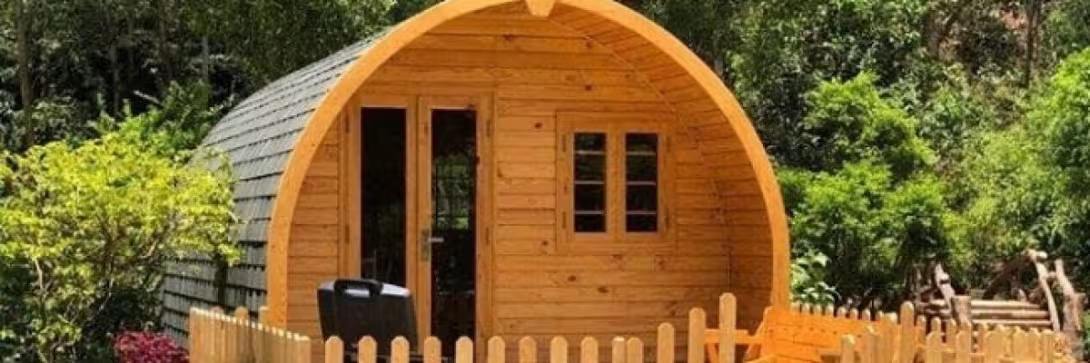
According to experts, lightweight construction materials offer greater economic efficiency while still ensuring the durability and aesthetics of buildings and being environmentally friendly.
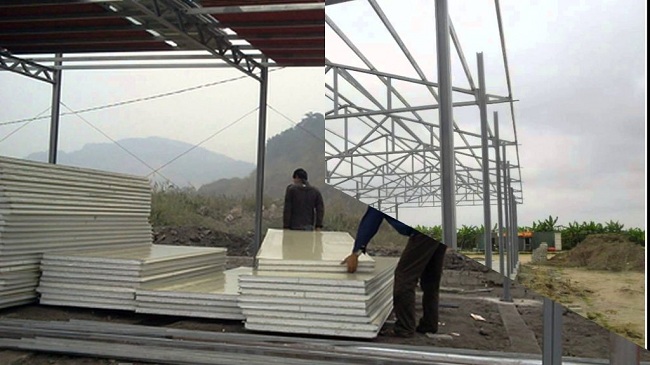
Not included in the list of lightweight construction materials, bricks and concrete are known as some of the main construction materials necessary for every building. However, their production consumes resources and causes environmental pollution. Experts estimate that by 2025, the demand for construction bricks will reach more than 45 billion units per year, requiring enormous amounts of resources and energy.
Faced with this reality, the search for and application of alternative lightweight construction materials is an inevitable trend.
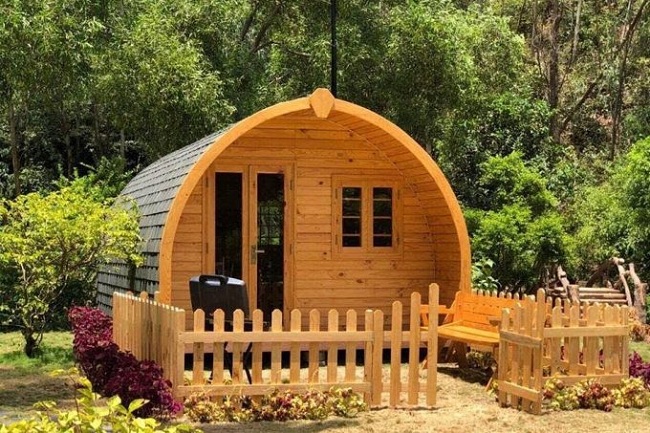
1. Why should investors use lightweight construction materials?
- ✅ Cost savings: Lightweight materials cost only about 80% as much as traditional materials.
- ✅ Shorter construction time: The lightweight nature makes transportation and installation easier and faster.
- ✅ Environmentally friendly: No firing is required, recycled materials can be utilized, and waste and emissions are reduced.
2. Top 4 lightweight construction materials for future buildings
a. Lightweight concrete bricks

Made from cement, lime, sand, aluminum powder, gypsum, and other materials. The production process generates hydrogen gas, giving the bricks many small air voids and making them much lighter than traditional bricks. In addition, these bricks provide good sound and thermal insulation and can even float on water.
b. Lightweight concrete bricks and stones
The main ingredients are cement, glass, sand, gypsum, and additives. This material is very lightweight, helping reduce the building load while still ensuring high load-bearing capacity. Transportation and construction also become easier.
c. Wood-look plastic bricks
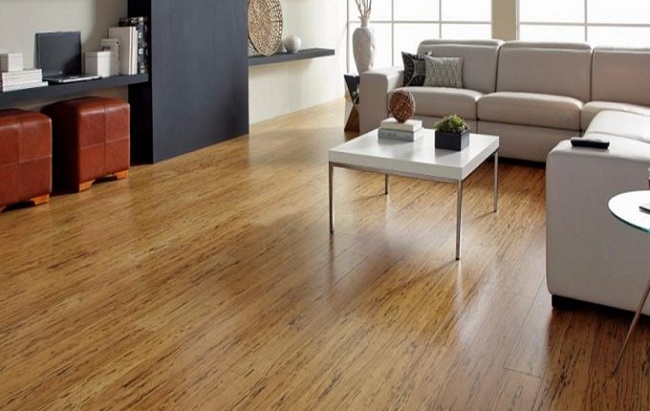
Made from synthetic plastic with a surface that mimics natural wood grain. These bricks are easy to install and clean, do not warp when exposed to water like real wood, and have a reasonable price. This is an excellent alternative to traditional ceramic tiles or wooden flooring.
d. Ubot lightweight slab
Ubot slab (beamless flat slab) is made from void-forming modules made of recycled Polypropylene.
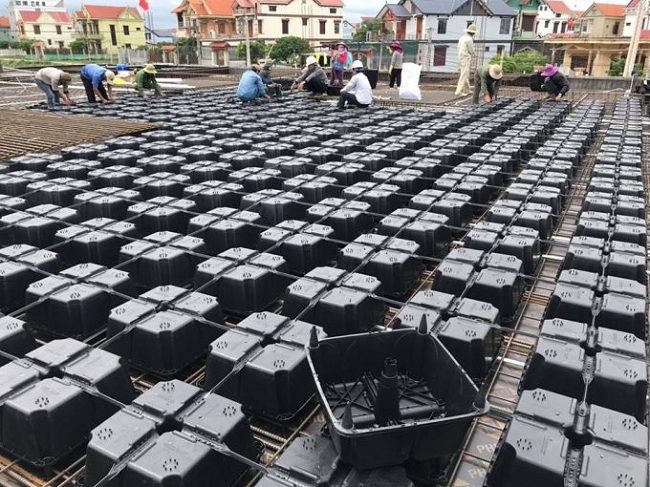
The hollow Ubot boxes are embedded in the concrete slab, creating an interlocking I-beam system. This solution significantly reduces the amount of concrete and reinforcement, reducing the building load while still ensuring durability and load-bearing capacity. It is also an effective way to recycle plastic waste, contributing to environmental protection.
The above are some of the lightweight construction materials currently being applied and showing strong development potential in the future. They not only provide economic and technical benefits but also make an important contribution to environmental protection and the reduction of the greenhouse effect.
Related articles
View all
Long-span flat slabs in modern architecture
Long-span flat slabs – where architects create sophisticated architectural beauty. Architectural beauty is understood as the organization and arrangement of spaces with functional…

Green materials and economic efficiency in construction – Can they go hand in hand?
Today, a popular trend being adopted by the construction industry both globally and domestically is the production of environmentally friendly construction materials using new…

ECONOMIC AND TECHNICAL EFFICIENCY OF FLAT SLABS COMPARED TO TRADITIONAL SLABS
Today, voided slabs, lightweight concrete slabs, also known as flat slabs, have established their position compared to traditional concrete slabs. With advantages in architecture,…
Building sustainable projects together
Follow expert knowledge from LPC engineers or contact us when you need advice.