

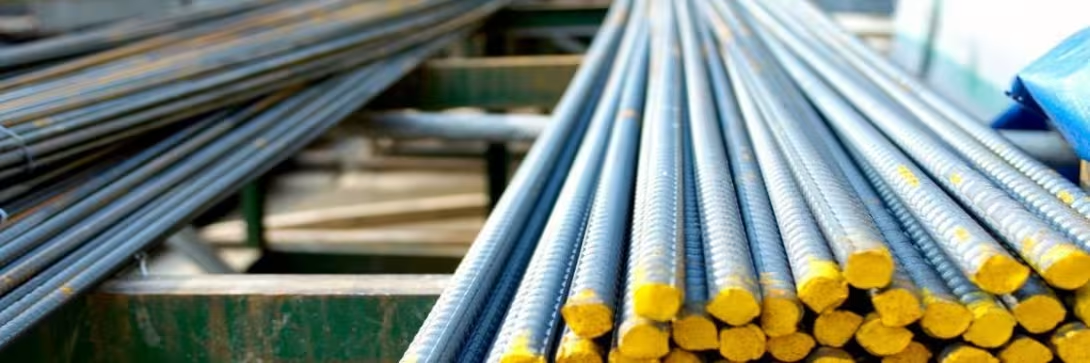
Construction materials – The industry has experienced many ups and downs in the Vietnamese market. In particular, basic manufacturers such as cement and steel producers are facing oversupply and net losses, forcing some companies to shut down production lines and streamline their operations.
Many experts believe that for this industry to overcome its difficulties, public investment and trade promotion in new markets are the “bright spots” that could help construction materials companies return to the market. Join LPC as we take a look at the construction materials market in this article.
1. Bright Spots in the Construction Materials Market from Public Investment
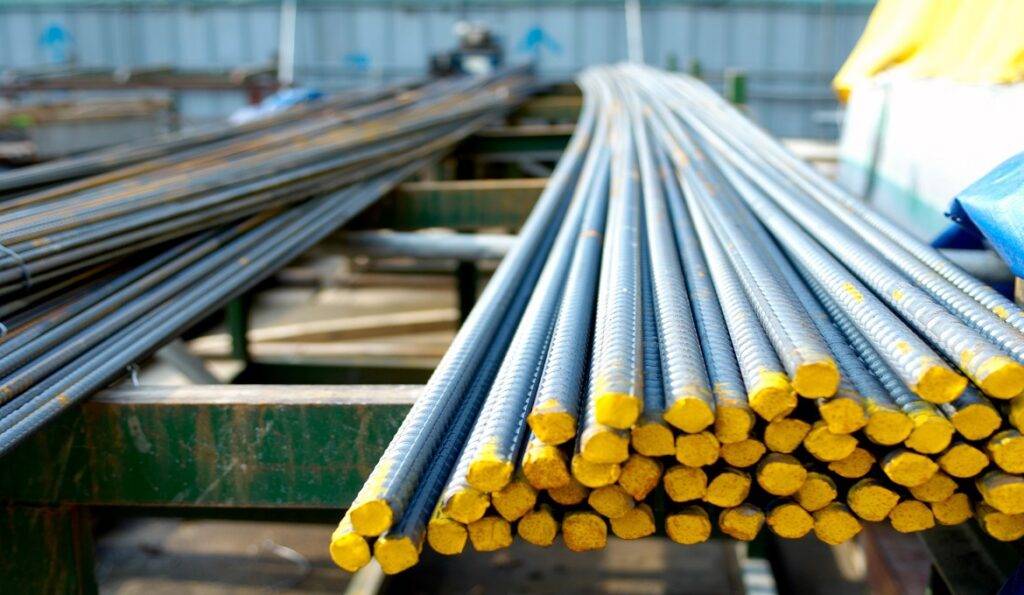
In 2023, the planned public investment capital from the state budget allocated by the National Assembly amounted to VND 711 trillion, an increase of 25% compared with the 2022 plan. In addition, approximately VND 147 trillion was allocated from the Economic and Social Recovery and Development Program. In total, government spending was expected to expand to more than VND 850 trillion in the form of public investment during the year.
Experts believe that, in the context of Vietnam needing a stronger tool to stimulate the economy than tax-cutting policies such as those implemented in 2022, public investment is expected to be a key driver, alongside foreign direct investment (FDI) and domestic consumption. With infrastructure, particularly expressways, expected to receive priority investment in the coming period, sectors that may benefit include contractors, infrastructure construction companies, and construction materials producers.
However, these advantages will not necessarily help all companies in the construction and construction materials industries overcome their difficulties, as this also depends on the Government’s “prioritization” of construction contractors with extensive experience, sound financial capacity, and strong past performance. Therefore, strong construction companies are expected to benefit the most, such as Vinaconex and Cienco4.
Nevertheless, for small and medium-sized enterprises, opportunities arising from public investment projects cannot be overlooked, as infrastructure development will lead to the emergence of new urban areas. Overcoming these difficulties will still depend on the “support” of investors and companies supplying construction materials.
“Ring Road 4 will indirectly drive urban and real estate projects along these two routes. Demand will inevitably stimulate the construction industry as well as the consumption of large quantities of basic construction materials such as iron, steel, cement, and sand…” – Ms. Tran Thi Binh said.
2. Seeking New Markets for Construction Materials
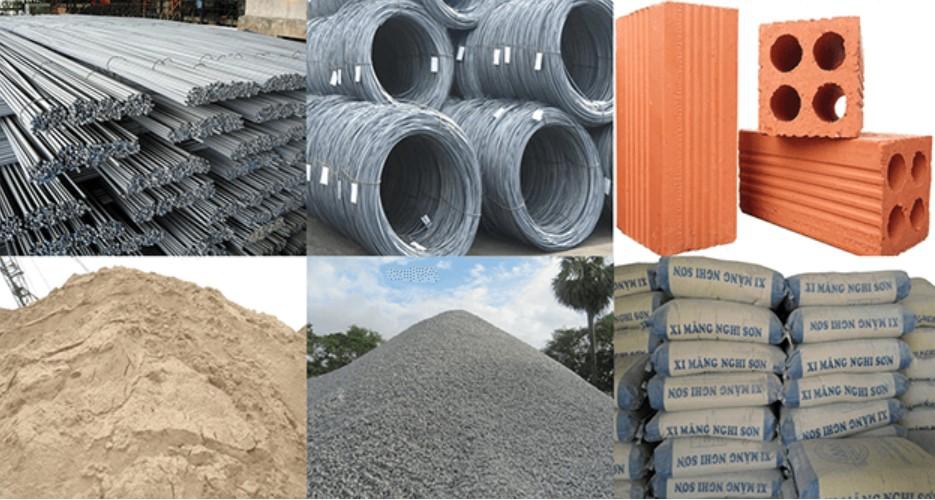
Although public investment is a bright spot, according to Associate Professor, PhD Pham The Anh – an economic and macroeconomic expert and lecturer at the National Economics University – public investment accounts for only a small proportion of the overall economy and aggregate demand. In addition, the projects currently being implemented are mainly those that are easier to disburse and resolve.
Meanwhile, many projects are still facing institutional and legal obstacles and cannot yet be implemented. “For enterprises involved in construction and installation, construction, and public investment, investors need to conduct specific and detailed assessments of profit margins and the ability to generate profits from public investment projects” – Mr. Pham The Anh said.
While domestic consumption remains slow, steel prices continue to rise and cement supply significantly exceeds demand. As a result, many companies have recently begun shifting their focus toward finding outlets in new markets.
Recently, Viglacera’s management announced that it would send a supervisory delegation to develop investment plans and feasibility study reports for the construction of building materials manufacturing plants and industrial parks in the Dominican Republic.
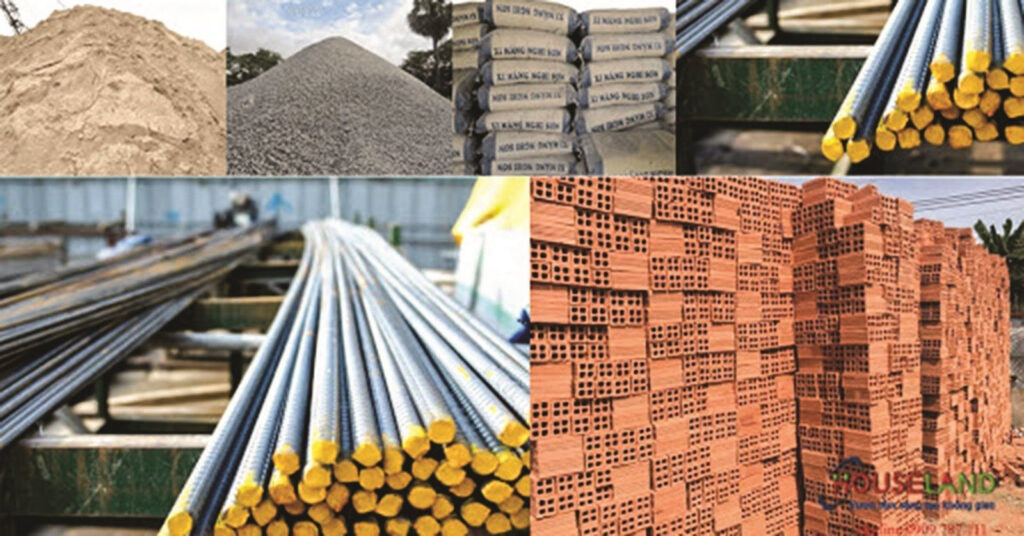
This could therefore become the group’s second investment destination after Cuba, as the domestic construction materials sector continues to face difficulties, with its main sources of revenue coming from real estate and industrial park infrastructure leasing activities. Meanwhile, Turkey’s demand for infrastructure reconstruction following the earthquake includes 200,000 apartments and 70,000 houses, with a cost of at least USD 15 billion according to the country’s President.
Markets with high demand are considered an opportunity for Vietnamese goods to enter new markets while domestic producers face pressure from oversupply.
In terms of support, the Vietnam Trade Office in Turkey affirmed that it is always ready to support and accompany Vietnamese enterprises in researching and exploring the Turkish market, including providing information on industries, updated regulations on the import and export of goods in the local market, and introducing and verifying trading partners in the region.
Master of Economic Law Le Son Tung commented that this represents an opportunity for manufacturing sectors facing difficulties in domestic consumption, particularly Vietnam’s strengths in exporting cement and ceramic tiles. However, accessing this construction materials market will involve fierce competition from China, Thailand, and many other countries that are also experiencing excess production capacity.
Source: Kinh tế & Đô thị Newspaper
Lam Pham Construction Company Limited – LPC
- Hotline: 0911.29.9696
- Website: https://lpc.vn
- Facebook: Lam Pham Construction
- Youtube: Lam Pham Construction
- Tiktok: Lam Pham Construction
More articles
All news


Have a project in mind?
LPC engineers are ready to share their experience and propose the right solution for your project.